
Immerse oneself in diverse business sectors
The “shop-in-shop” model, as the name suggests, is a retail strategy whereby one brand operates within another larger commercial entity. Typically, this involves carving out a secondary space within an existing store, enabling the brand to introduce its products through a collaborative arrangement.
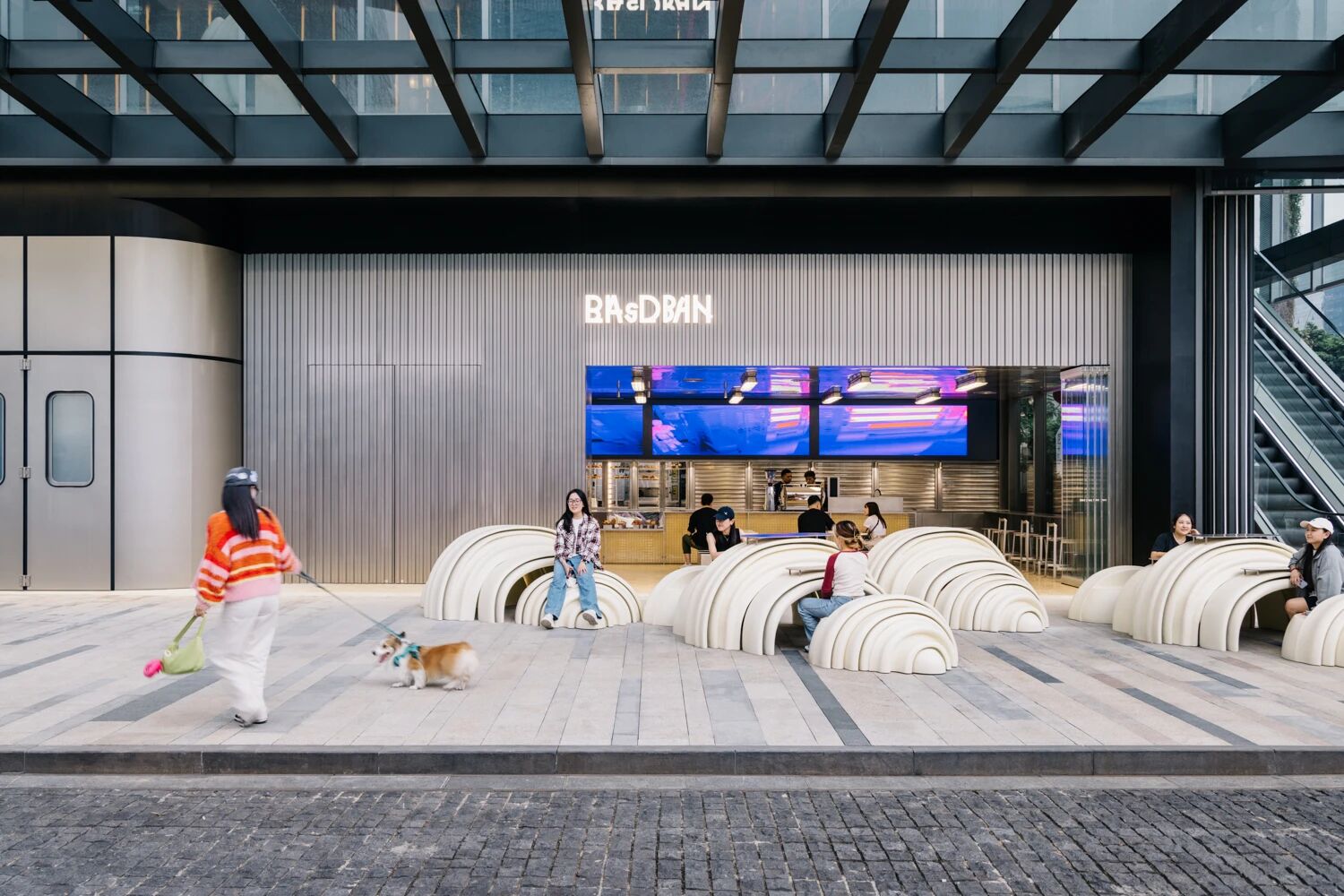
Such scenarios are far from uncommon in physical retail. Medicinal cuisine outlets within pharmacies, ice cream parlours within teahouses, tea shops within greengrocers, coffee houses and Western restaurants within bookshops – the list goes on.
Many brands seek partners for shop-within-a-shop ventures largely due to cost constraints.
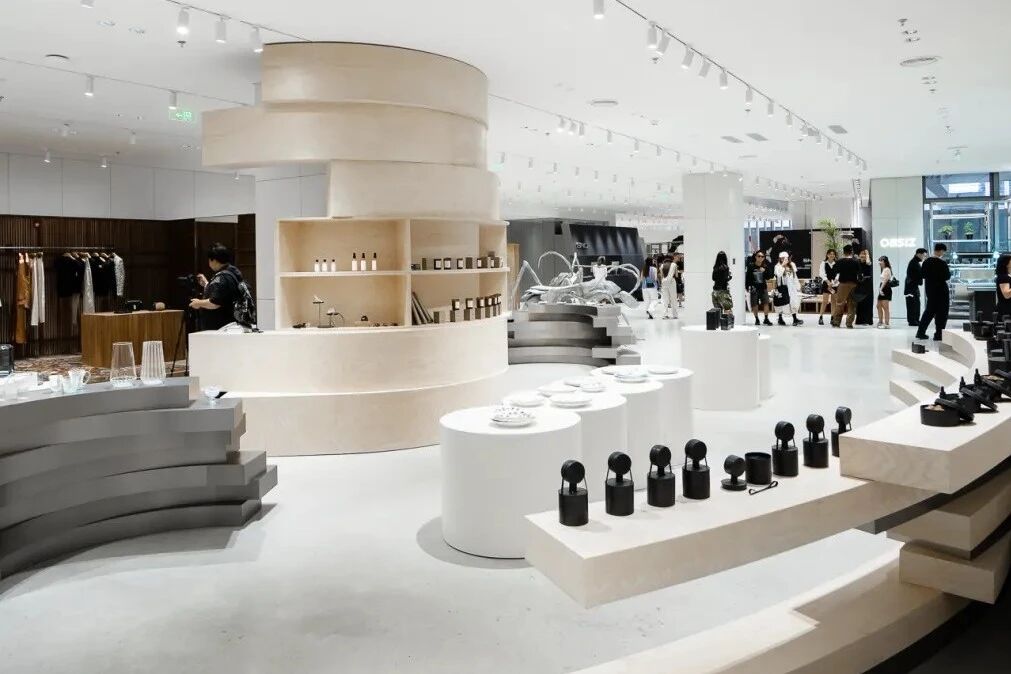
The shop-in-shop model, benefiting from its symbiotic nature, enables tenant brands to collaborate with the host store, thereby sharing the latter's infrastructure and operational resources.
This significantly reduces the brand's initial investment costs, allowing expansion objectives to be achieved at a lower expense and extending reach into more physical retail environments.
Beyond cost efficiency, the shop-in-shop model also leverages the host store's influence. Typically, well-established brands' outlets have accumulated significant footfall and reputation. Tenant brands can tap into these existing customer pools to rapidly achieve market penetration.
On one hand, consumers are more receptive to new brands within familiar environments, increasing purchase likelihood. On the other, the anchor store's inherent brand effect reduces the tenant brand's initial marketing expenditure.
Naturally, this is not a one-sided arrangement. From the anchor store's perspective, leasing underutilised space to other brands unlocks new value from idle resources and helps spread the overall operational costs.
Under the pressure of real-world costs, new brands no longer insist on owning standalone premises. Instead, they readily become space partners, infiltrating diverse retail formats through a seemingly symbiotic approach to leverage expansion opportunities.
Seek a partner to resolve disputes over positions.
Offline, a prime location signifies footfall and popularity. Yet as more players enter the market, competition for premium spots has intensified, rendering every square inch increasingly valuable.
Faced with the financial might of industry giants, emerging brands entering this battle for prime locations hold little advantage. The shop-in-shop model, however, allows new brands to join the fray in a different guise—shifting from direct confrontation to leveraging existing momentum for integration.
Traditional expansion logic operates as a zero-sum game, where location battles are often mutually exclusive. The shop-in-shop model fundamentally disrupts this mindset, choosing not to monopolise locations but to share them.
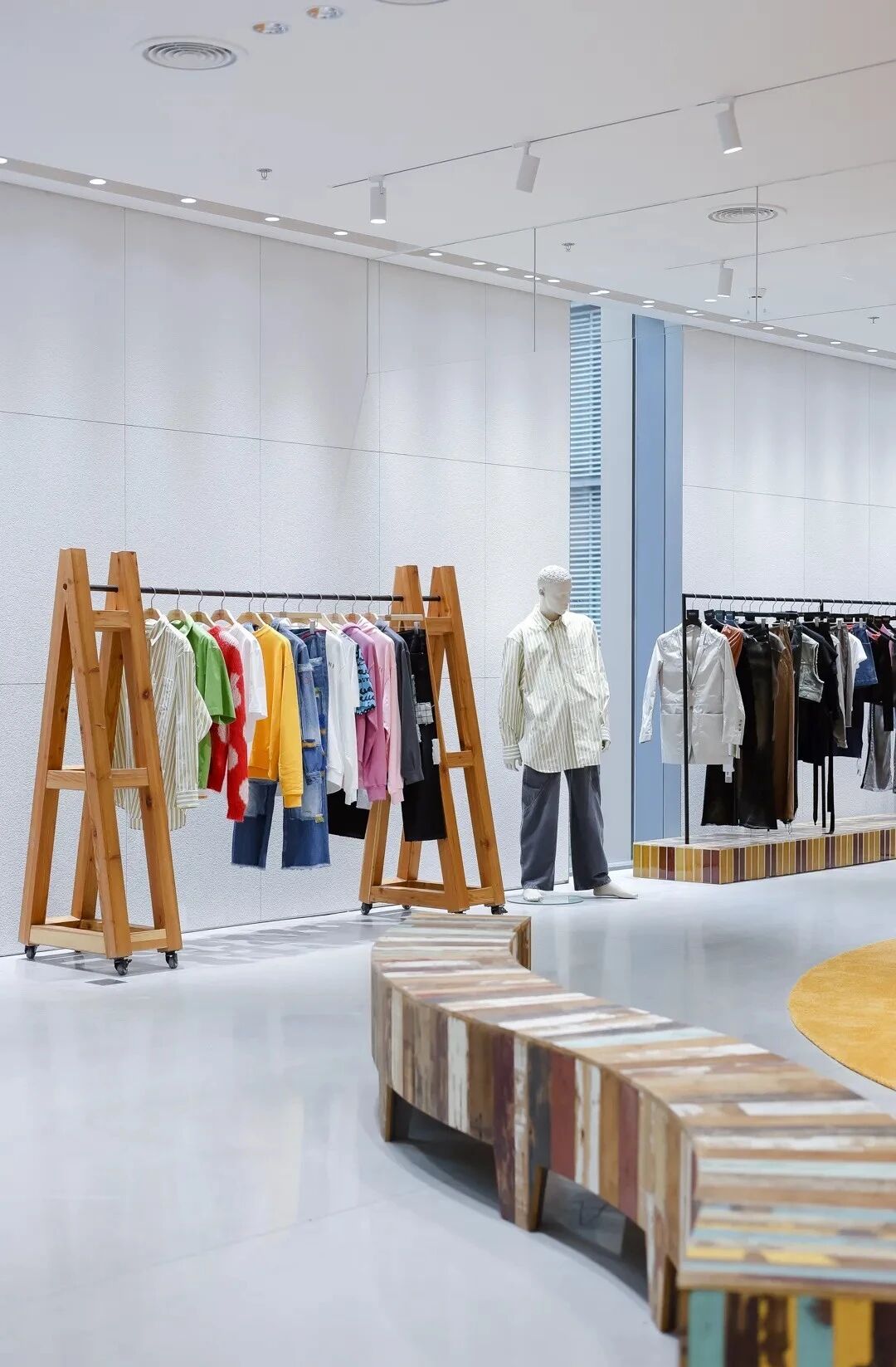
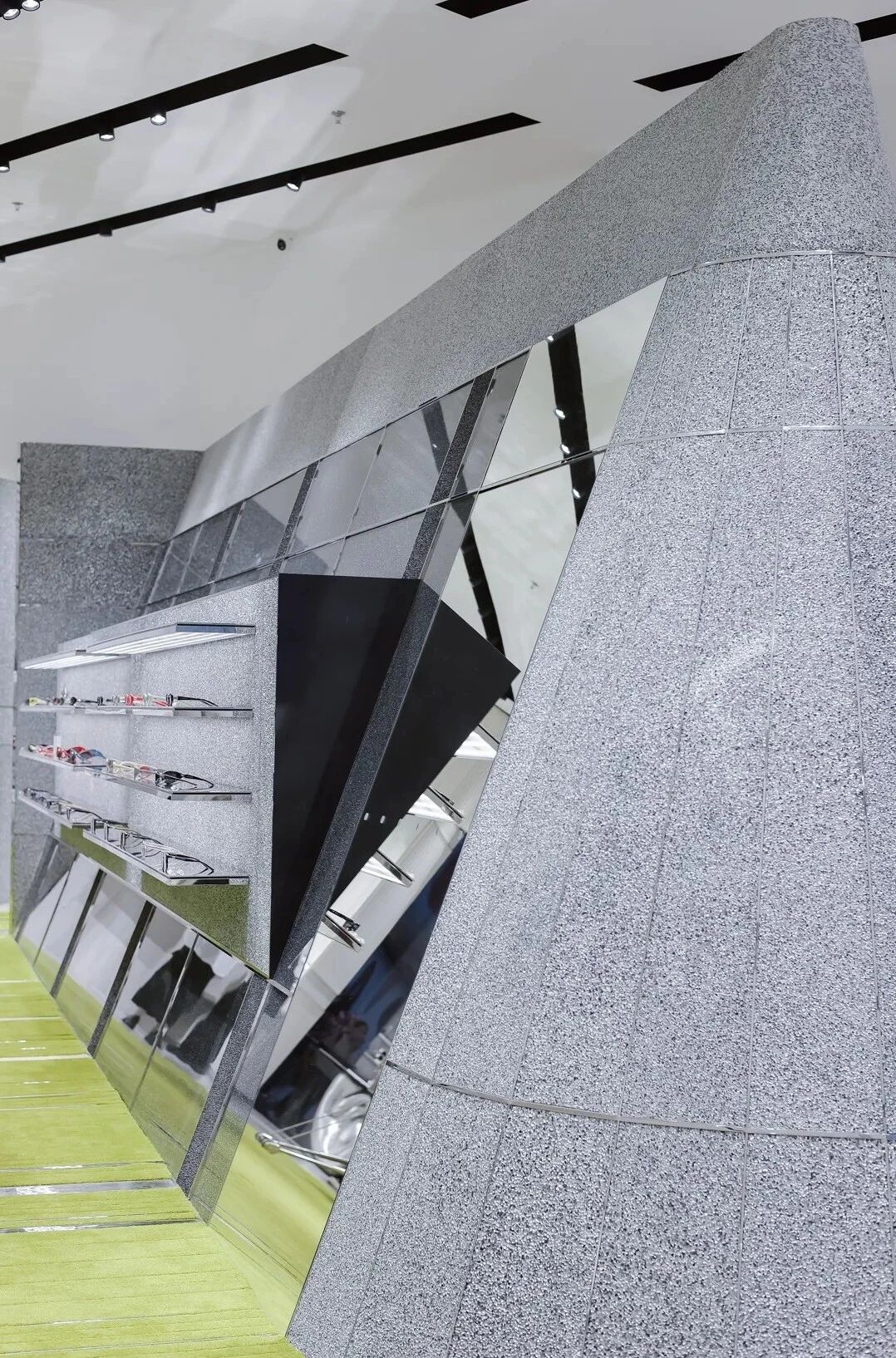
The shop-in-shop model serves not only as a collaborative bridge between brands but also as a strategic tactic for retail giants to nurture their sub-brands.
Under this arrangement, a brand's flagship physical stores can share prime locations with sub-brands, providing them with a market entry point. This allows sub-brands to bypass the most challenging cold-start phase, significantly reducing their market penetration time.
Ultimately, the rise of the shop-in-shop model transcends the exclusivity inherent in traditional commercial logic. Externally, it facilitates resource exchange between distinct brands; internally, it enables synergistic growth across brand portfolios.
Complementary business formats, shifting from single-choice to multiple-choice
In traditional commerce, each shop operates as an isolated entity, requiring consumers to make multiple single-choice decisions. The complementary shop-in-shop model, however, transforms the consumption experience into a one-stop, multi-choice environment.
Within a single commercial space, multiple brands coexist through shop-in-shop arrangements, collectively forming a more comprehensive consumer experience.
As illustrated in the earlier scenario, sipping coffee within a bookshop blurs the boundaries between reading and leisure, collectively forming a cohesive cultural living space.
The bookshop attracts customers with cultural consumption habits to the coffee offering, while the comfort of the coffee experience in turn benefits the bookshop by increasing customer dwell time and repeat purchase likelihood. This creates a virtuous cycle of mutual customer referral.

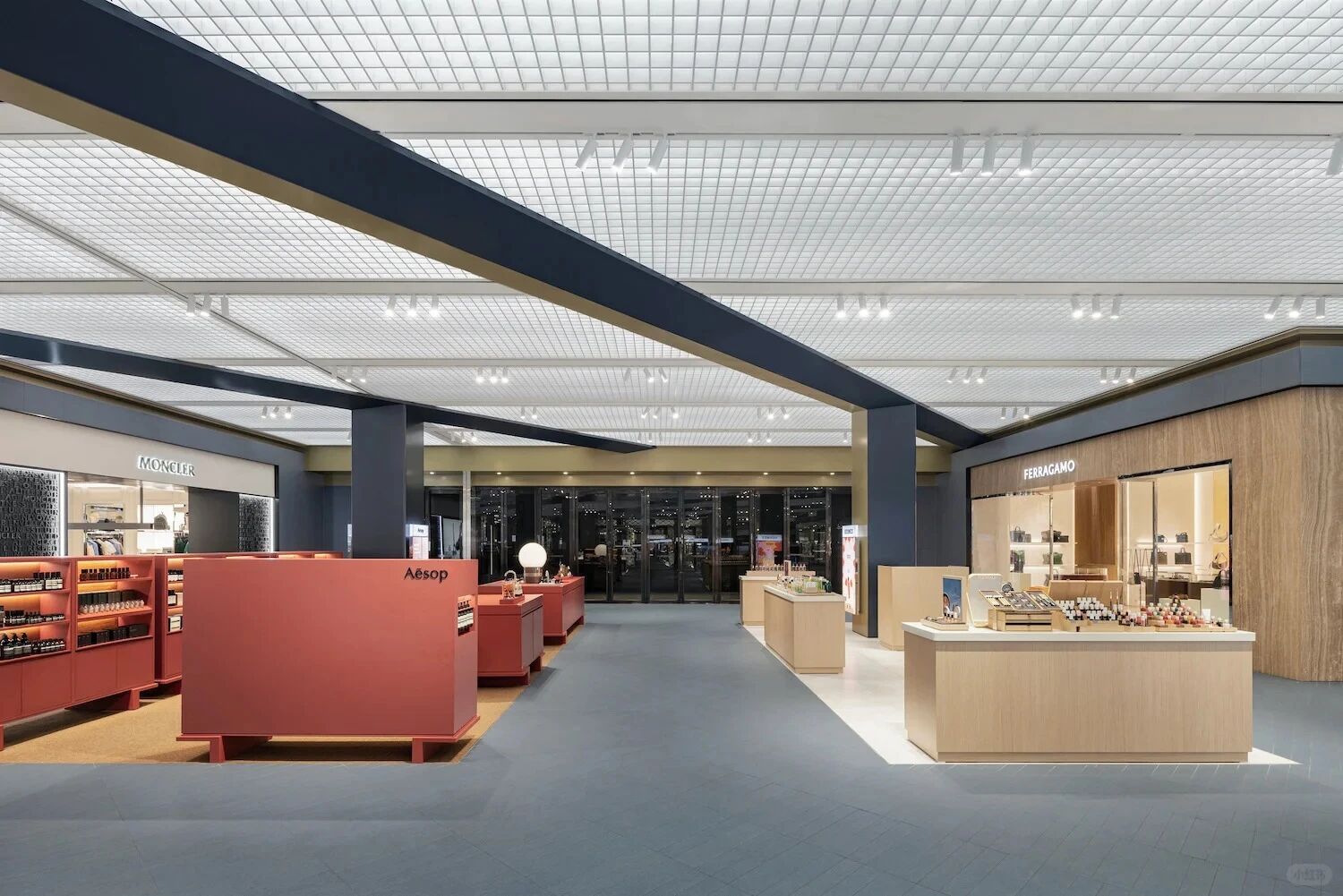
Compared to single-option consumption, this complementary business model undoubtedly creates a richer consumer experience for users.
The shop-in-shop model does not involve forcing two unrelated brands into the same space, but rather identifying precise complementary needs between business formats.
Take the gym-and-light-bistro model: both fundamentally address health management. Within this pairing, consumers transition seamlessly between offerings as they serve the same core lifestyle scenario.
Without this intrinsic logical connection, merely pursuing novelty risks blurring the store's identity, ultimately failing to retain either customer base.
The shop-within-a-shop concept transcends mere spatial leasing. Its essence lies in maximising mutual traffic advantages through complementary business formats or product categories, enabling the co-evolution of multiple brand spaces.