Engaging gamified marketing
Traditional retail thinking focuses on enabling users to complete transactions more swiftly, with experience design resembling a one-way axis: users select, pay, and depart.
Amidst the trend of self-indulgent consumption, many shoppers no longer find satisfaction in linear processes. Instead, they seek greater engagement throughout the entire shopping journey. Gamification thinking perfectly addresses this consumer psychology.
Gamification involves artfully integrating game mechanics into non-gaming contexts, transforming innate human traits—curiosity about challenges, anticipation of rewards, and craving for social interaction—into driving forces within the scenario.
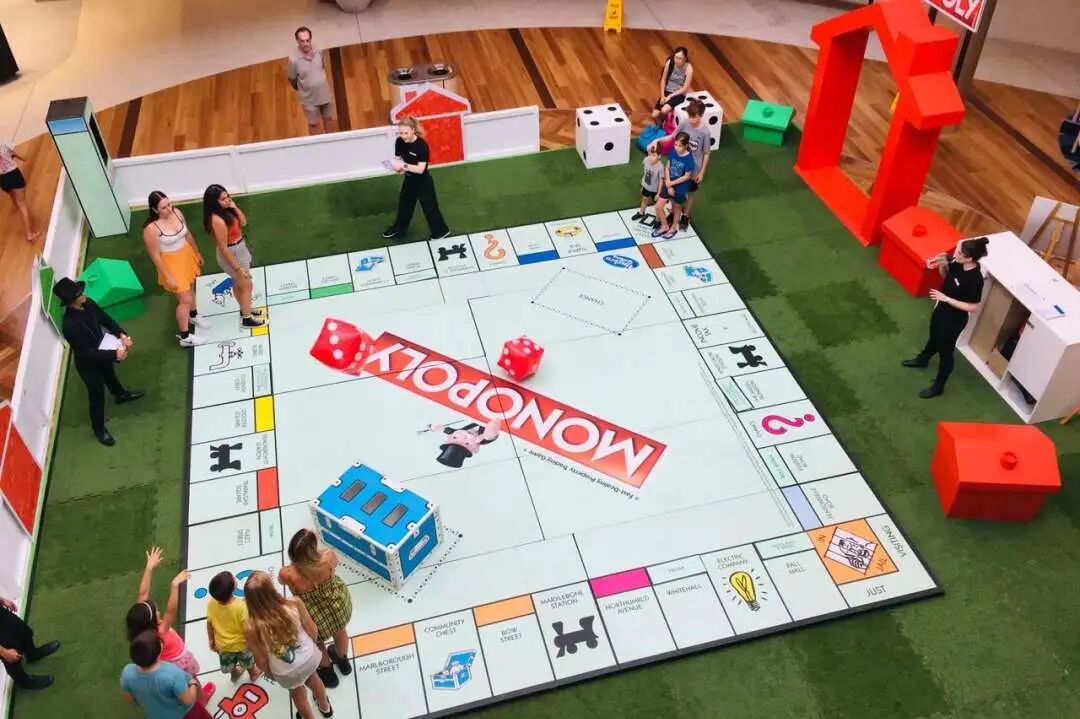
In commercial settings, spaces, experiences, and even collaborative processes are treated as playable game systems. By establishing engaging rules and interactive mechanisms, participants gain unique experiences and surprises throughout the journey.
Compared to traditional marketing, the most significant difference in gamification lies in the consumer's role.
In conventional marketing, consumers are passive recipients of information. Gamification, however, treats them as players who actively explore and unlock achievements.
The depth of memory created through active exploration far surpasses that of one-way communication. By incorporating gamified elements, a simple retail experience can become as engaging as a game, effortlessly immersing consumers in the process.
The Three Dimensions of Gamification
Gamification thinking is not merely about applying game elements superficially, but rather integrating game design mechanisms into the process. Analysing its operational logic primarily encompasses the following three dimensions:
The first step in gamification is to establish clear objectives—the specific outcomes players strive to achieve. Whether it involves purchasing behaviour or participating in brand activities, consumers need to understand the significance of their involvement.
A goal system provides purpose, igniting intrinsic motivation and transforming aimless browsing into purposeful exploration.
A defining feature of games lies in their rule systems, which generate competitive enjoyment. Within retail experiences, rules manifest through membership tiers, participation thresholds, or game challenges, spurring consumers to continually test boundaries and explore possibilities.

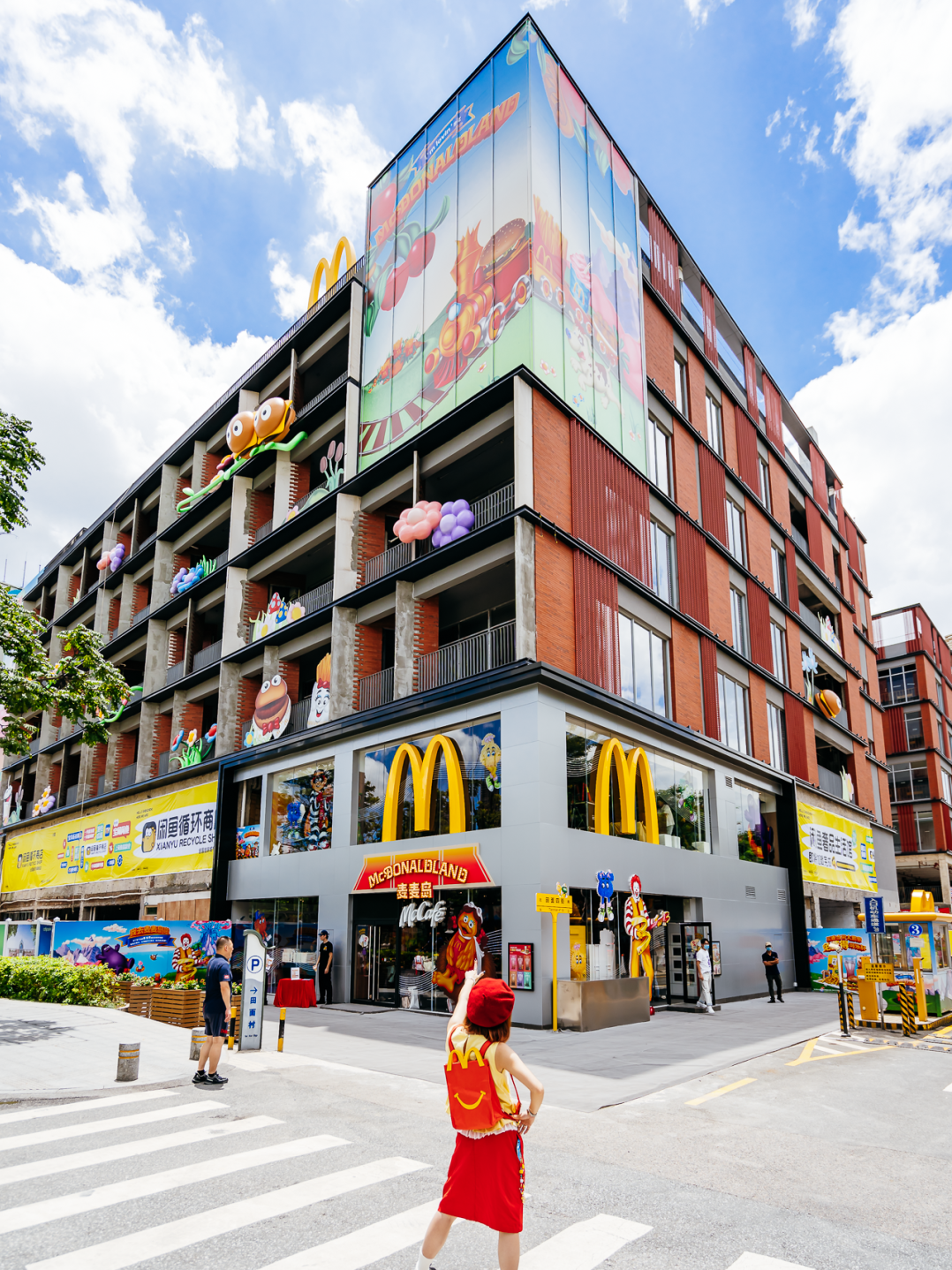
Take, for instance, the coastal cycling event at Jumping Sea Tavern. Through gamified elements like £1 entry tickets, limited-edition challenges, and in-store interactions, obstacles heighten engagement while an unpredictable journey fuels anticipation.
Immersive gamification thrives not on flawless execution, but on mirroring the essence of play—where individuals willingly embrace failure and uncertainty, finding meaning within the challenge itself.
In traditional commerce, feedback is often delayed. Gamification, however, embeds instant, positive, real-time feedback at every micro-behavioural touchpoint.
Whether through visual cues like progress bars or level-ups, tangible rewards for collecting check-ins, or social recognition via leaderboards, abstract advancement is transformed into tangible incentives. This immediacy makes participation itself intrinsically motivating.
Game logic, empowering business models
In the commercial sphere, gamification thinking is not an abstract theoretical concept; it has progressively evolved into a proven strategy, spawning increasingly innovative approaches.
The points-based progression system underlies virtually all gaming frameworks and represents the most prevalent application of gamification.
Traditional points systems centre on redeeming goods, whereas gamified points systems shift the focus from material rewards to experiential benefits.
Take airline loyalty programmes, for instance: passengers accumulate miles through flights, which can be exchanged for complimentary tickets, access to VIP lounges, or cabin upgrades.
Different tier levels correspond to varying privileges, much like levelling up in a game where accumulating experience unlocks new rewards.
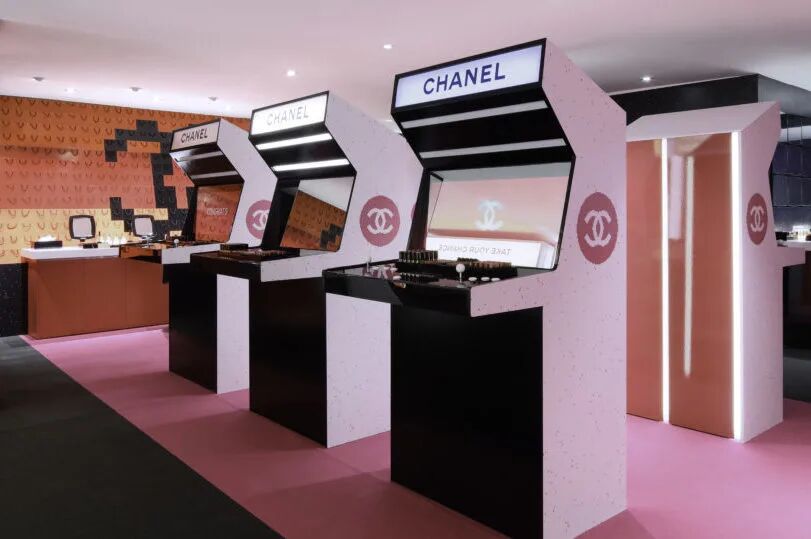
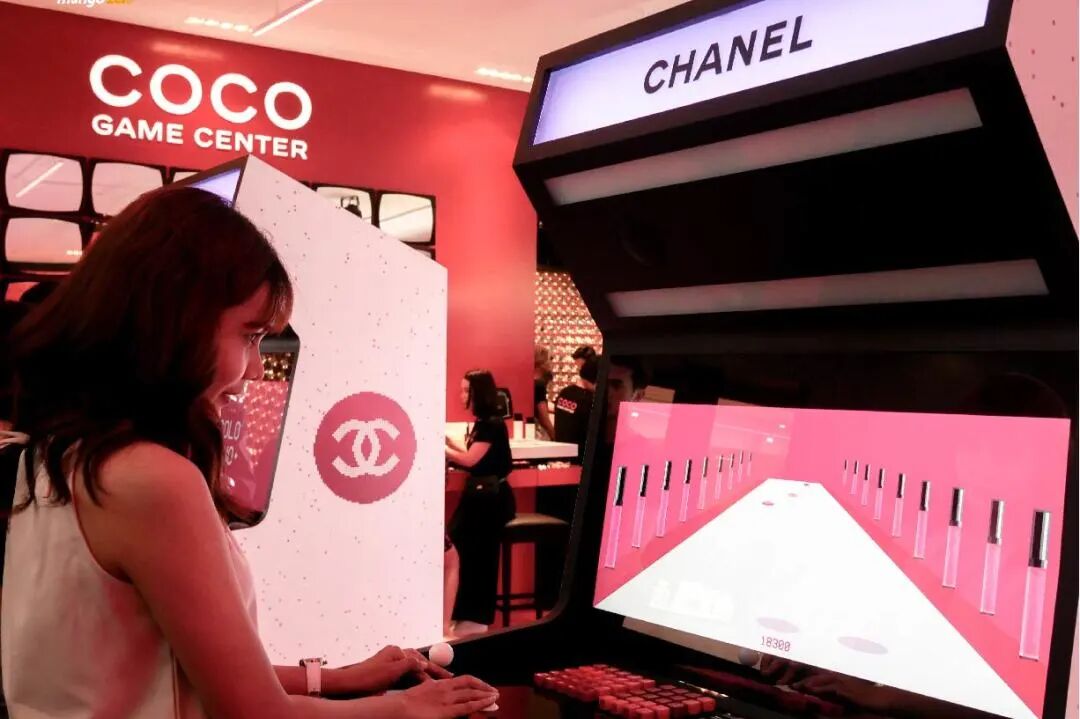
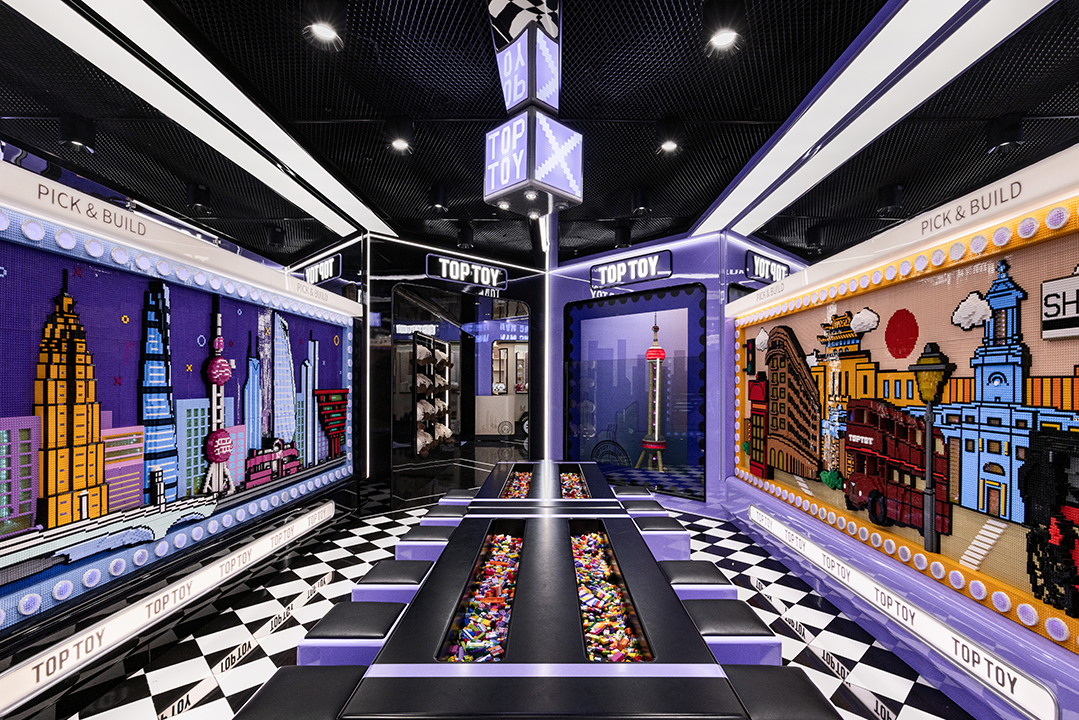
Traditional retail experiences typically follow linear pathways. In contrast, retail spaces incorporating exploration and challenge mechanisms feature meticulously designed, level-based zones. By introducing puzzles, tasks, and objectives, these spaces guide customers through a series of missions or challenges.
In essence, the application of gamification hinges on tapping into users' psychological motivations to steer their behaviour.
Whether through instant feedback to sustain engagement or leveraging social proof to enhance interaction, these mechanisms subtly influence users' decisions and actions.