
The boundless sensation of the mirrored surface
Mirrors, commonplace objects in daily life, utilise optical reflection and refraction to encompass all things within their surface.
Within spatial contexts, an ordinary mirror can be transformed into a visual design language. Through its surface, space is multiplied, enhancing spatial perception and brightness while creating unique, dramatic light and shadow effects.
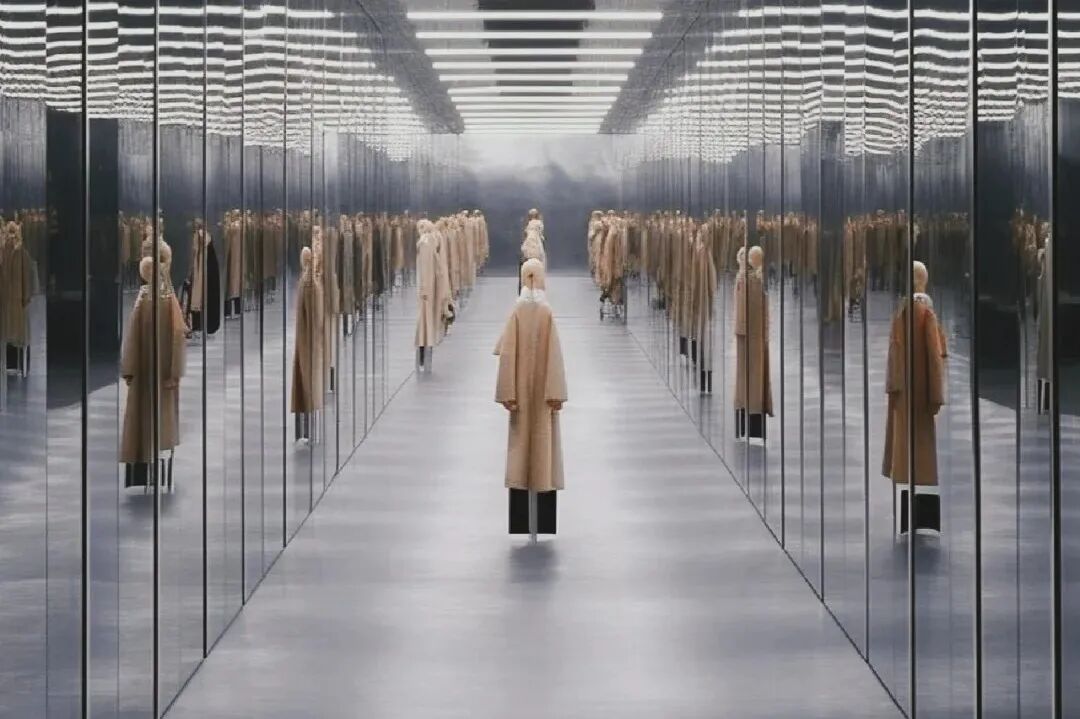
Retail spaces are defined by physical boundaries formed by ceilings, walls, and floors. In confined areas, these boundaries must be deliberately blurred to prevent visual oppression.
Breaking physical spatial boundaries can be achieved through various means. One approach is open-plan design, such as transparent glass and open-grid windows, which interconnect outdoor scenes with the interior.
Another method employs the physical properties of materials to create visual illusions, enhancing the sense of spatial depth. Mirrored surfaces are a common material used to extend and expand perceived space.
Visual amplifier of space
In compact spaces, mirrors can create a dramatic visual transformation, serving as one of the techniques to achieve an illusion of greater scale.
Through the reflection of mirrors, the space appears to overlap in the observer's perception, presenting a doubled spatial effect, as if the area has been subtly expanded.
Under the influence of extensive mirrored elements, the boundaries of walls are deliberately softened. Surfaces cease to be closed demarcations, instead becoming infinitely extending windows.
This extension occurs not only horizontally but also vertically. At the ceiling's apex, the mirrored surface creates dual perspectives of upper and lower spaces, visually elongating the room's height.
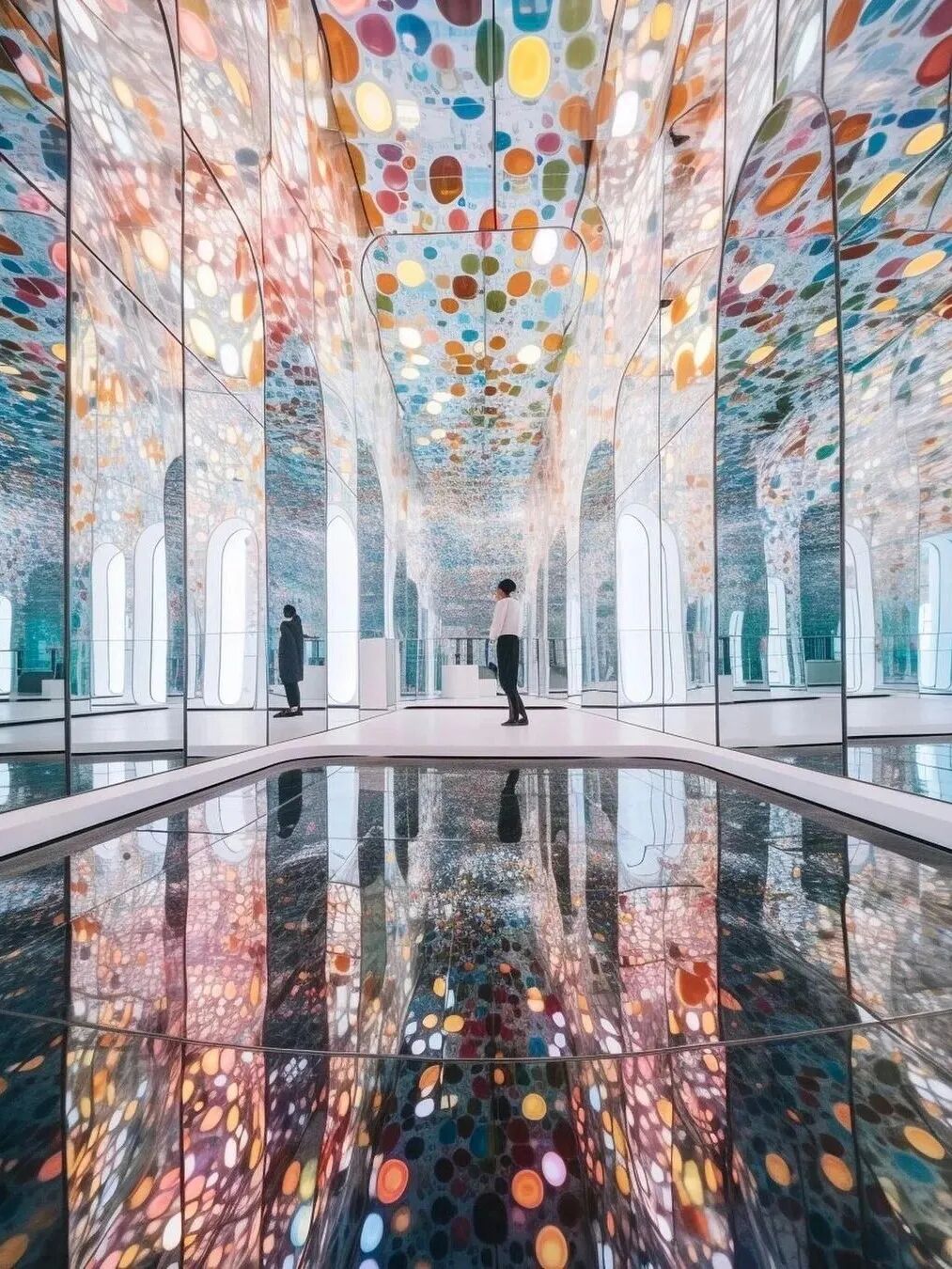
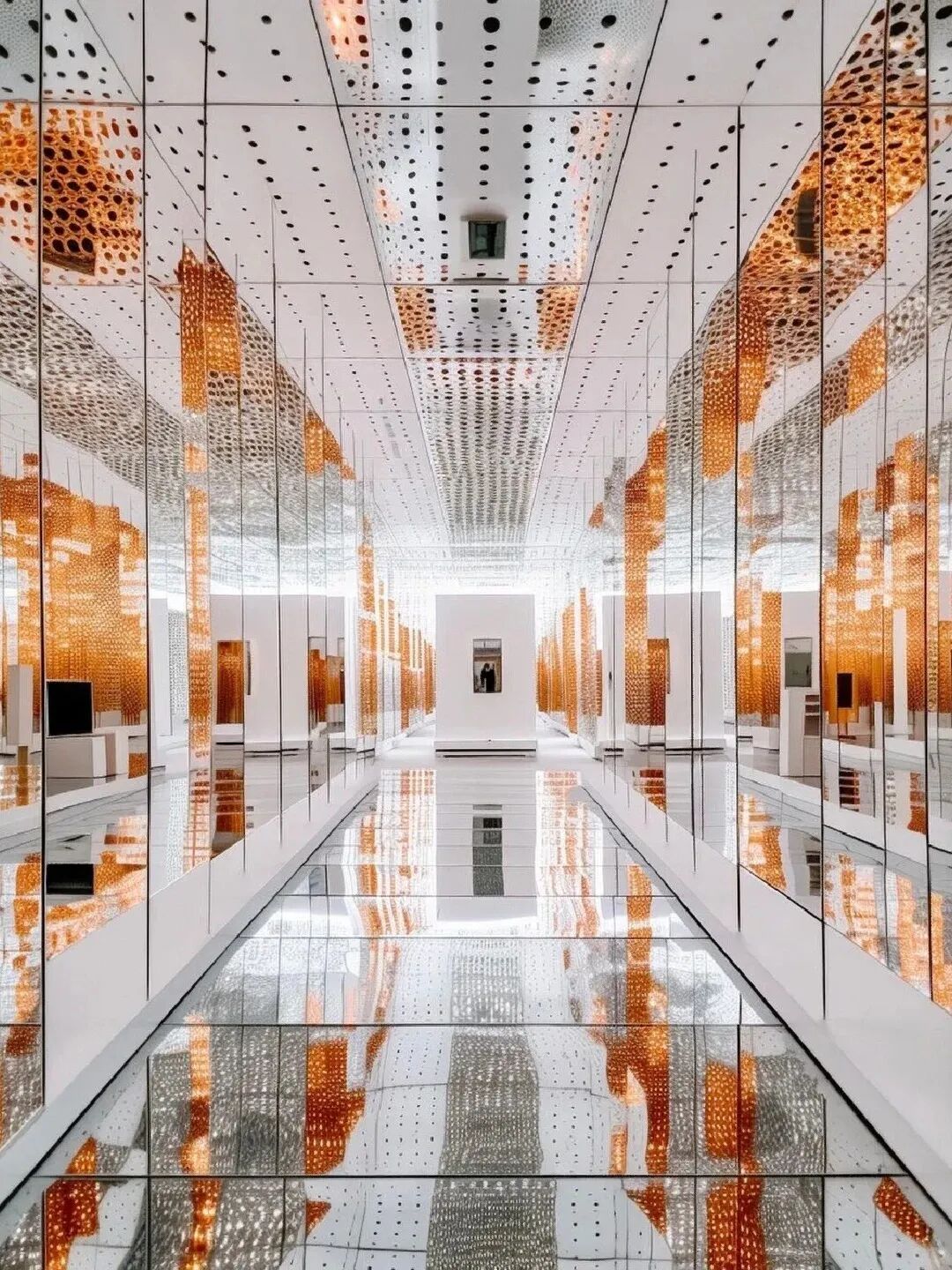
Within a relatively confined space, mirrors can replicate an identical environment. This property serves a dual purpose: firstly, it addresses the issue of low ceilings and narrow floor-to-ceiling heights through reflection; secondly, it blurs the distinct boundaries between different surfaces, creating a more expansive visual effect.
The Light Catcher
Le Corbusier, the French architectural master, once remarked that atmosphere is born of light, space is born of light, and architecture is expressed through light. In spatial design, light is an element that cannot be overlooked, and the mirror serves as its perfect “catcher”.
Mirrors possess a smooth, flat surface that absorbs virtually no light. When light strikes a mirror, it undergoes directional reflection. By harnessing this optical phenomenon, light can be evenly distributed throughout the surrounding area.
Within interior spaces, where light sources are limited, mirrors expand the coverage area of light through reflection, rendering the entire space brighter and more transparent.
For specific display areas, incorporating mirrored elements can reflect natural light from windows or artificial lighting indoors, drawing light towards these zones to supplement darker sections.
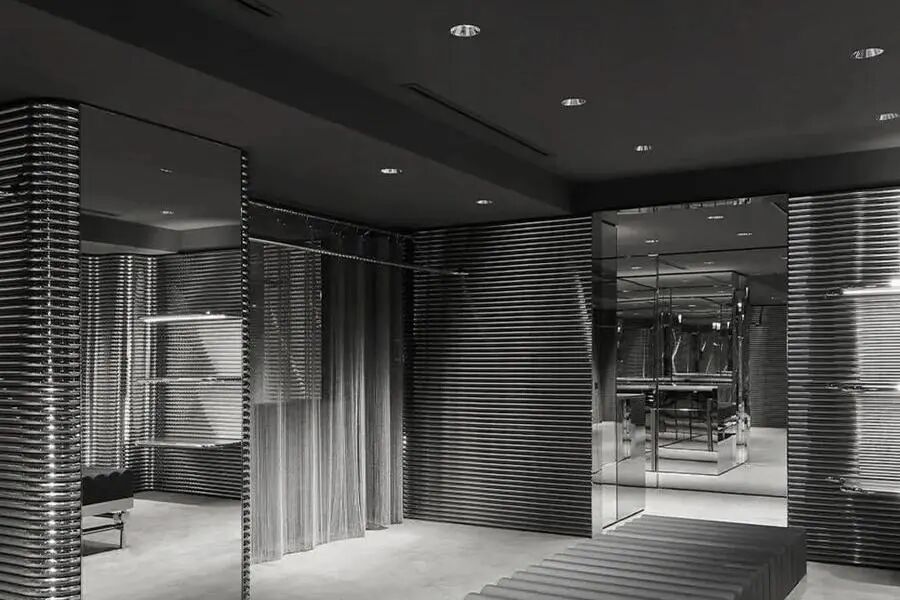
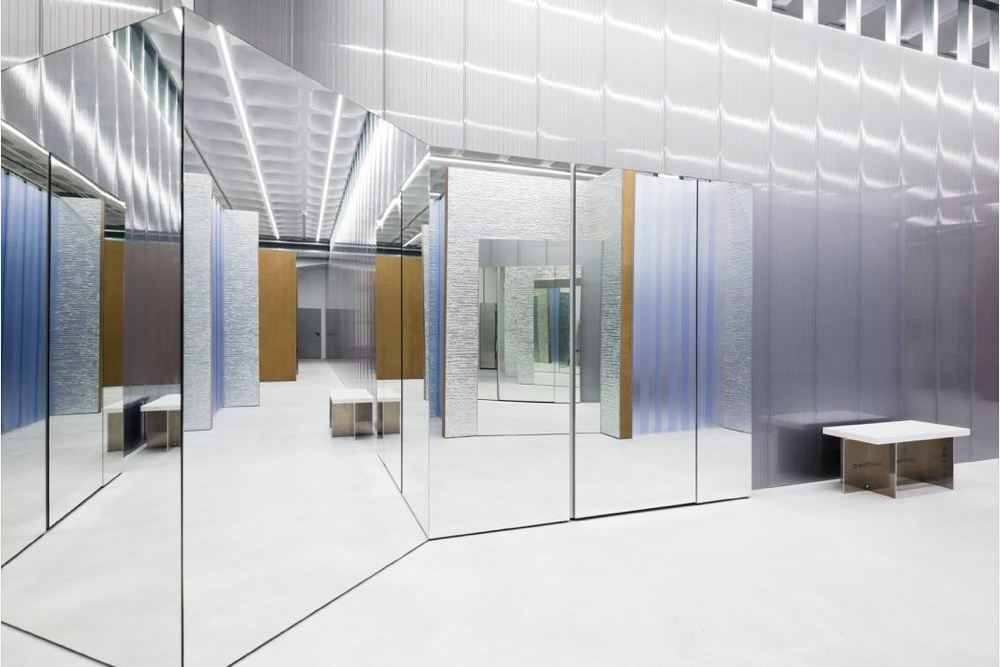
The luminous flux of a single lamp is fixed; once its light is directed, its energy begins to diminish. By placing a mirror opposite the lamp, one can visually replicate the light's image, effectively doubling the lamp's efficacy – as if duplicating a light source within the space.
This reflective effect creates additional points of illumination without introducing extra light sources, significantly enhancing the brightness of the space and preventing the formation of dark areas caused by uneven light distribution.
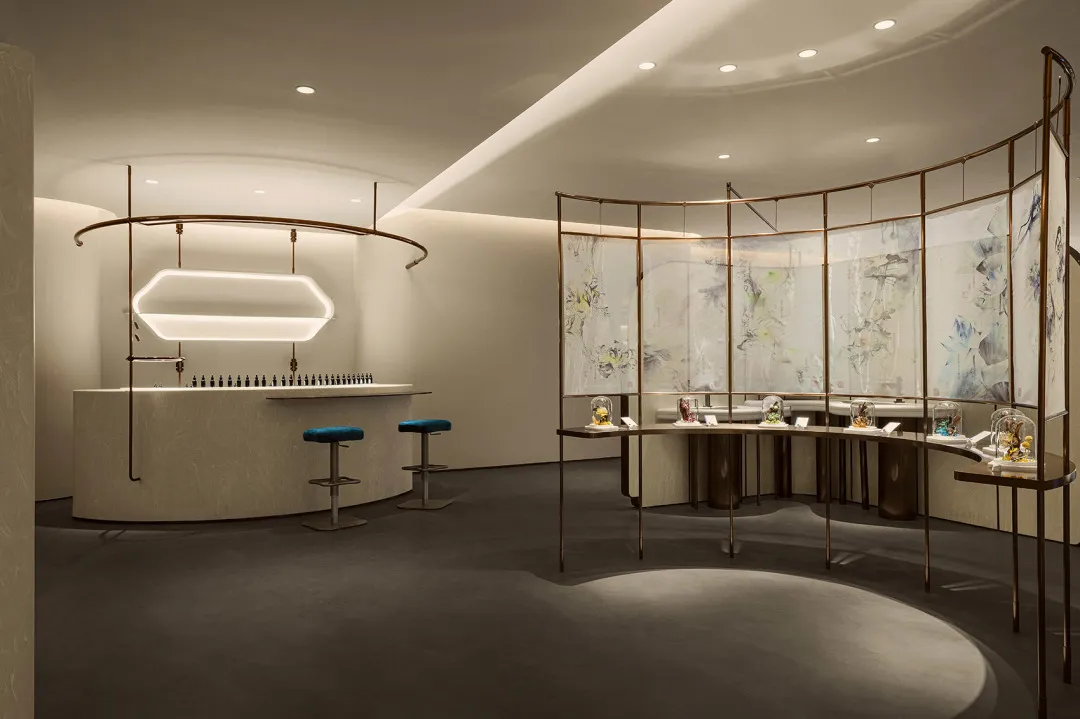
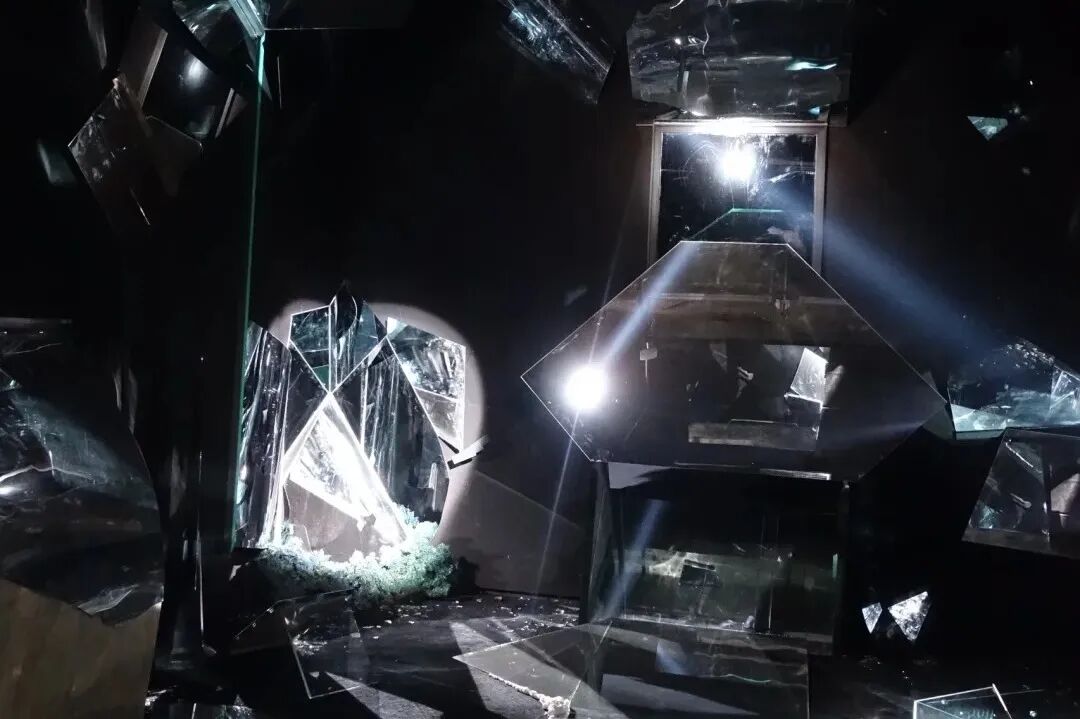
Within a space, there are invariably corners where light cannot reach directly. By employing a mirror to refract and reflect light, one can alter the spatial lighting environment, directing illumination to areas previously unlit. This renders the space brighter and more transparent.
