
Concept, offering a novel proposal
In a homogenised consumer market, the moat formed by functionality and price is gradually drying up, while traditional self-promotional marketing tactics are increasingly failing to capture users' attention.
Against this backdrop, many brands are shifting their focus towards uncharted territory: predicting and guiding future trends.
Conceptual creations transcend conventional frameworks, expressing ideas through novel and distinctive forms.
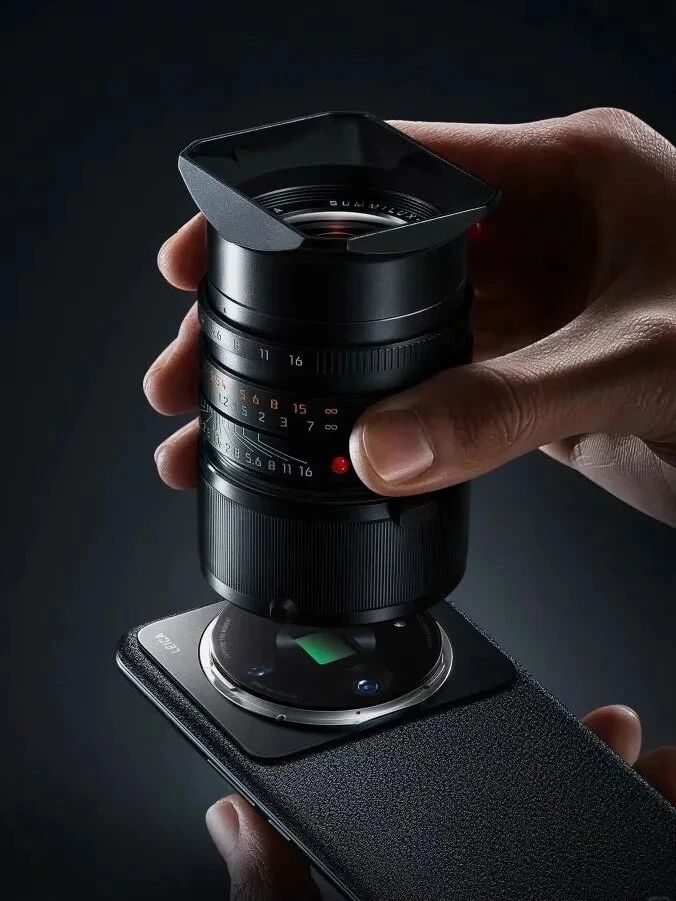
From futuristic concept bicycles to smartphones with interchangeable camera lenses and laptops featuring vertically rotating screens, these conceptual products challenge existing norms, offering unique perspectives on future design.
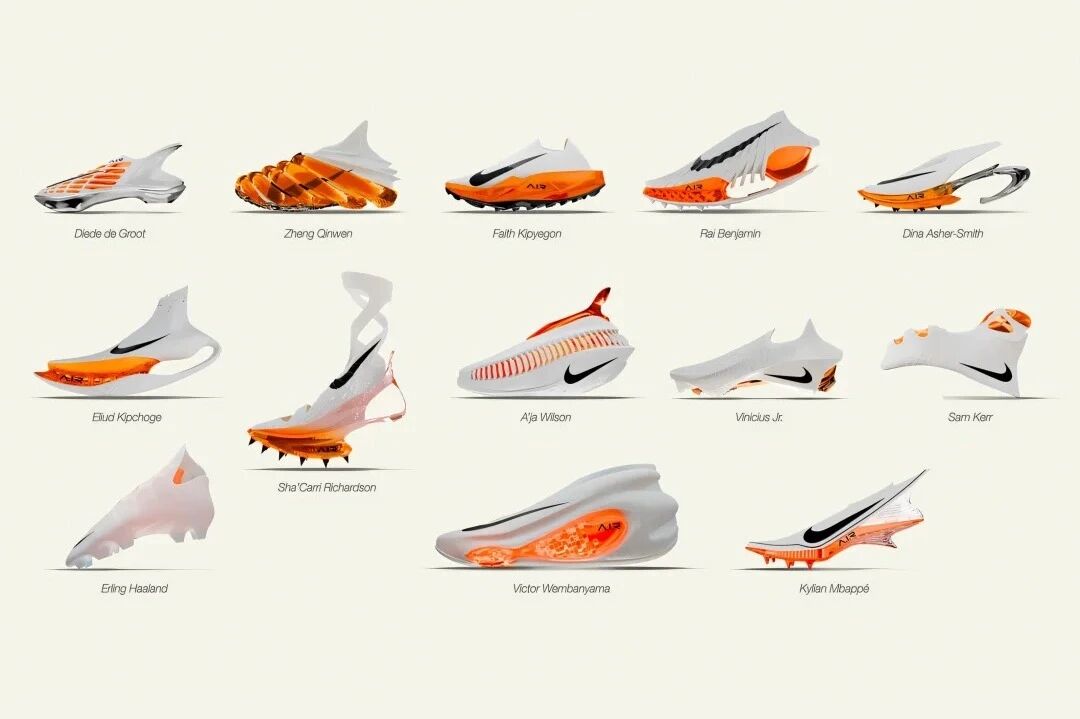
Concept marketing transcends the product itself; it does not directly peddle goods, but rather presents a hypothesis about the future.
When a concept is introduced, it enters the market in product form, subsequently validating that such a demand exists. It then gains broader consumer consensus, ultimately evolving into a new consumer category and a fresh competitive arena.
The ever-thirsty consumer market rewards pioneers who dare to be first. When brands introduce novel concepts, they propose fresh lifestyles, thereby carving new pathways through intense competition and generating fresh growth opportunities.
The Battle for the Mind
There's a line in ‘Tongue Tips of China’ that says a single flavour is difficult to present on its own, and that the best way for the five flavours to exist is to be harmonised and balanced.
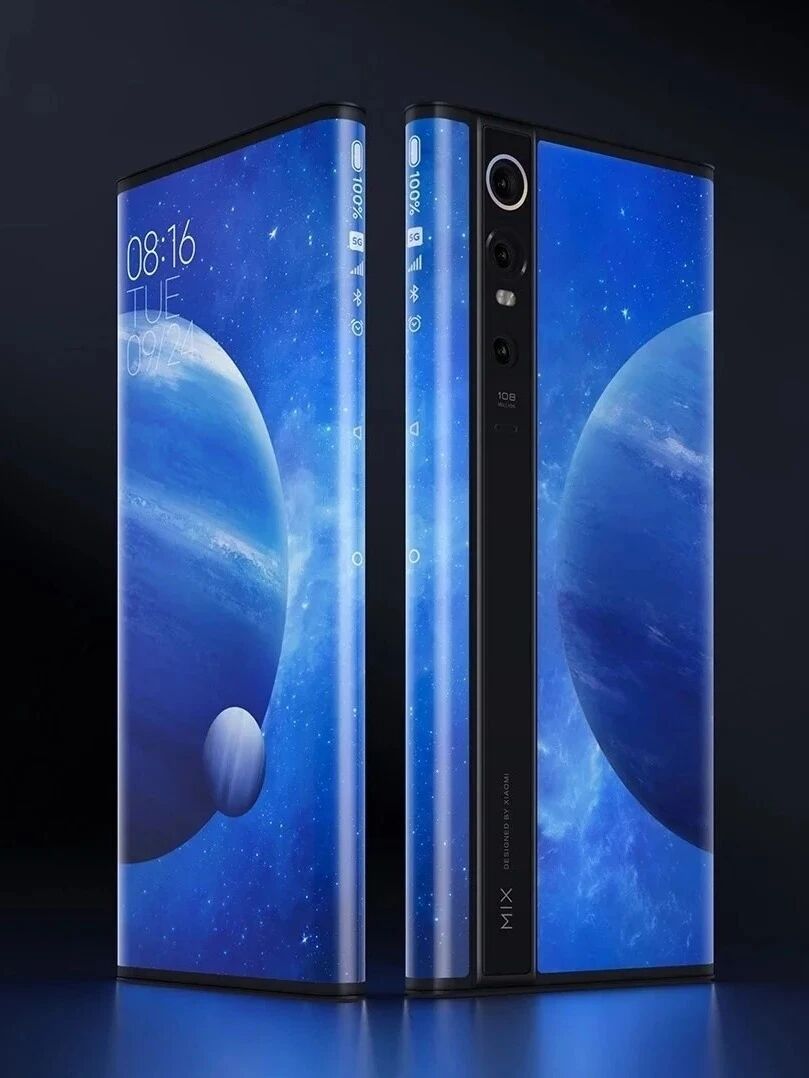
In the marketplace, so-called sustainable fashion, tech accessibility, metaverse socialising, and digital nomadism are essentially contrived concepts.
Concept marketing is fundamentally a battle for mindshare, planting seeds in consumers' minds by introducing novel, cutting-edge, and compelling ideas.
When a brand pioneers such a concept, it naturally becomes the category's “first mover”, enhancing its exclusivity and authority.
This authority can then nourish the brand image: concept phones often reinforce an impression of being an innovation pioneer; concept cars lend automotive brands a sense of technological sophistication and forward-thinking; concept stores imbue retail brands with a distinct lifestyle ethos.
The trajectory of commerce and trends is rarely linear or predictable; it demands continuous experimentation, and concept marketing inherently carries an experimental nature.
Concept marketing serves as a low-cost testing ground, proposing hypotheses about lifestyles or consumption scenarios. Through practical implementation, it validates these hypotheses to refine market strategies.
Concept products possess inherent virality, attracting media attention more readily and sparking widespread discussion on social platforms.
Compared to the mundane, they provide users with compelling conversation starters, elevating the concept beyond mere product to become dynamic, living content circulating through social media.
A brilliant idea
The concept is not synonymous with wild flights of fancy; its essence lies in purposeful exploration.
Before creating a concept, one must first pose a question. The birth of a concept stems from exploring and responding to this specific query.
The starting point of concept marketing is not merely contemplating ‘what users need now,’ but rather considering more broadly ‘what they might need in the future.’


Initially, when all mobile manufacturers were competing over keyboard materials, Steve Jobs posed a question: why must phones have physical keyboards? This probing inquiry propelled the shift from physical buttons to touchscreens in smartphones.
Concepts can diverge infinitely; a single idea or perspective can serve as the fulcrum for concept marketing. These forward-looking speculations, operating beyond established norms, offer businesses more illuminating perspectives.
Concept creation need not involve entirely novel elements; it can also involve reimagining conventional, everyday things through fresh conceptual combinations.
Starbucks' ‘third place’ concept emerged from observing an urban phenomenon: the lack of spaces beyond home and office that catered to both socialising and solitary reflection.
Thus, Starbucks designed its outlets as communal spaces featuring wooden furniture, warm lighting, and the aroma of coffee, transforming coffee consumption into an escape from the clamour of daily life.

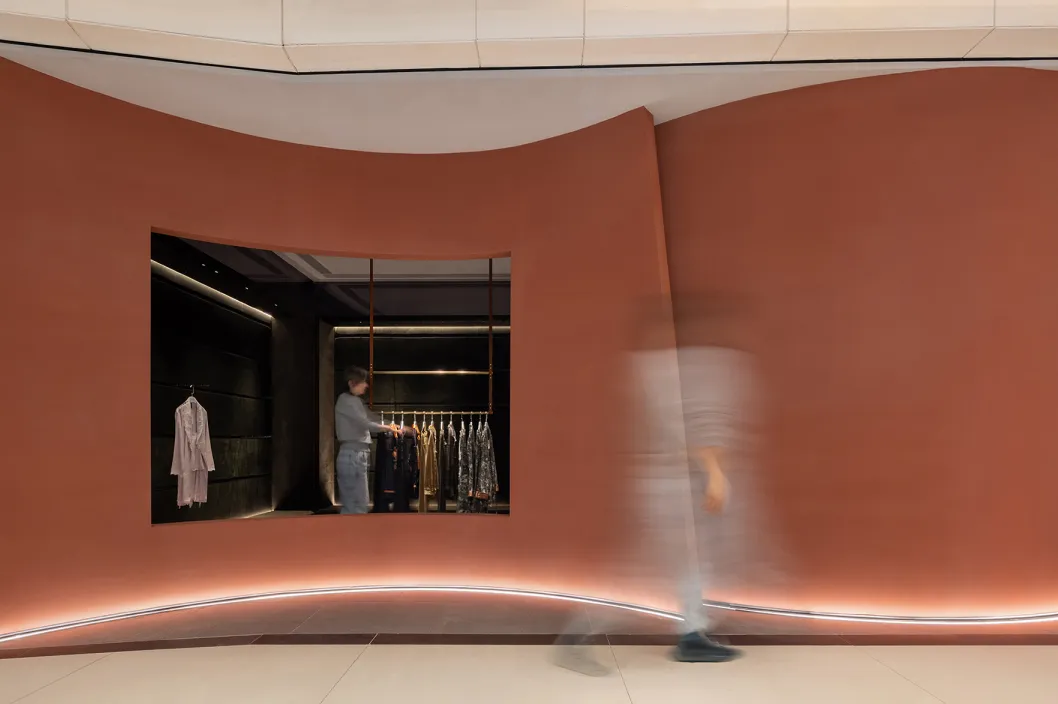
Neither coffee nor communal spaces were novel concepts, yet this whimsical idea wove them into a fresh narrative, reshaping the logic of coffee consumption.
In commercial contexts, concept marketing must stem from brand-centric thinking, challenging outdated notions to forge contemporary narratives that resonate with present-day audiences.