

Environmental protection is not a mere spectacle.
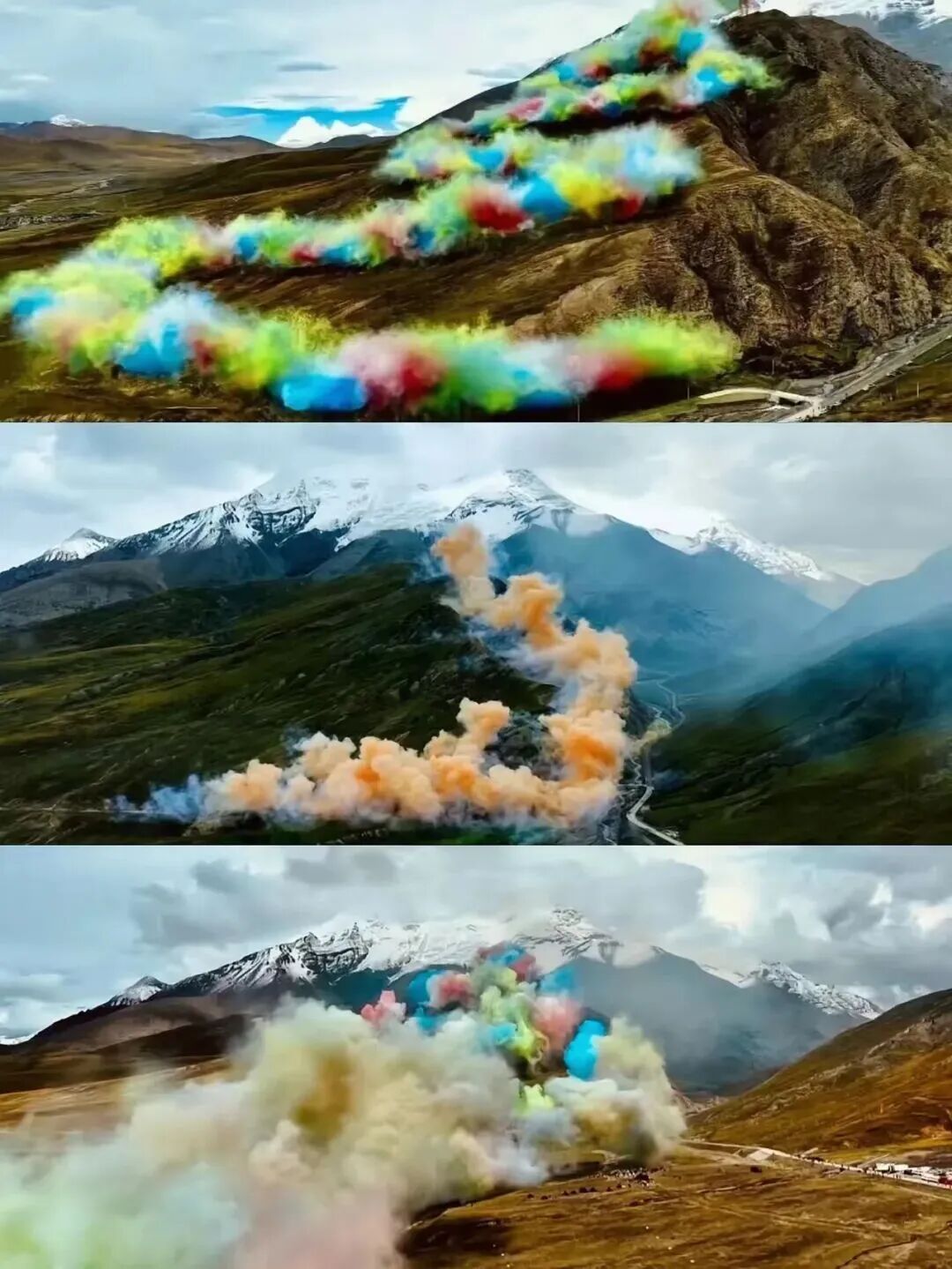
When Arcteryx's artistic fireworks ignited consumers' environmental outrage, this seismic brand reputation crisis thrust the increasingly prominent “environmental agenda” squarely into the spotlight.
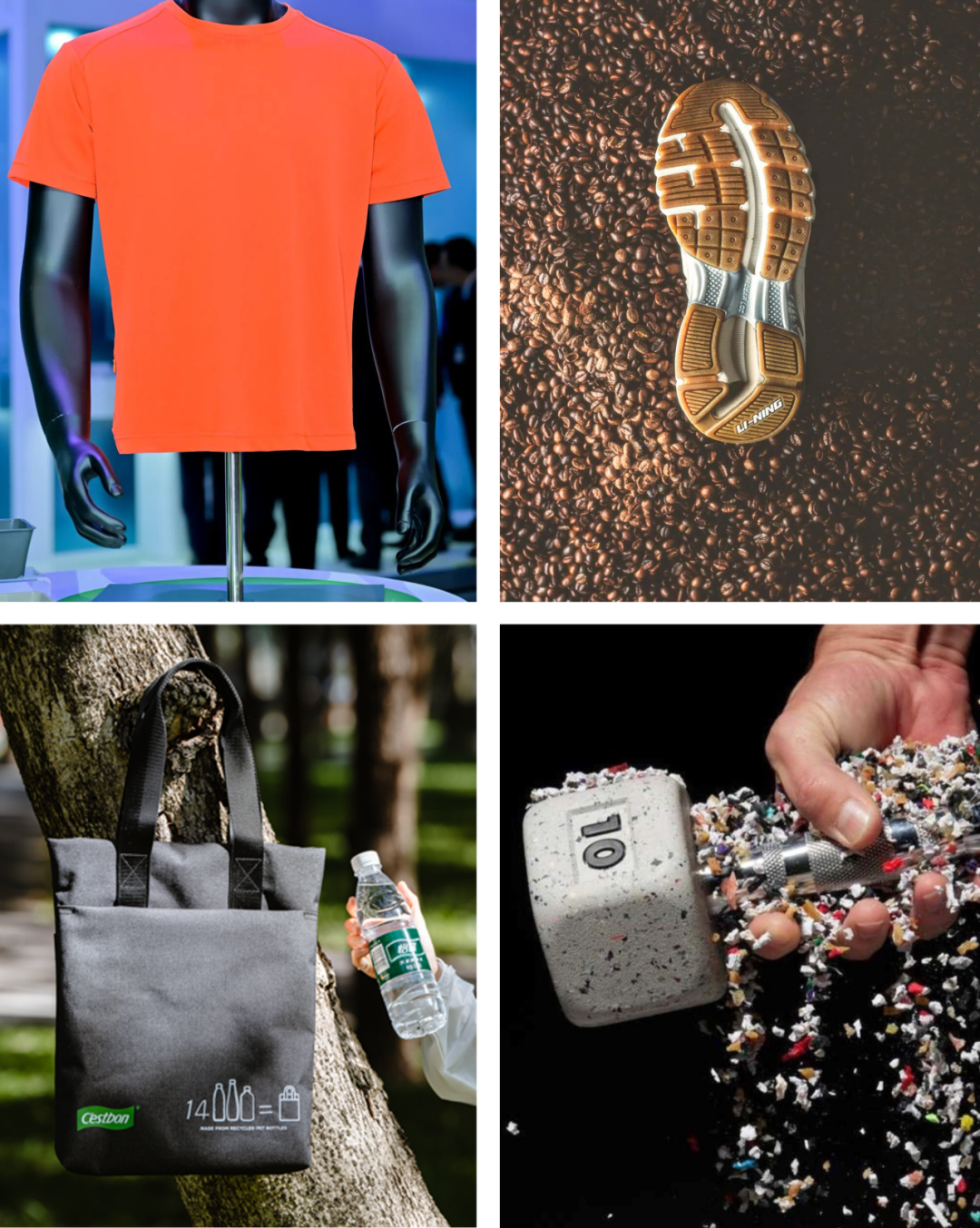
In recent years, concepts such as environmental protection and sustainability have become frequent buzzwords in brand marketing. Many brands prominently feature “environmentally friendly” initiatives, issuing declarations on environmental conservation, crafting shoes from coffee grounds, and producing T-shirts from recycled plastic – such eco-conscious measures have become commonplace.
Offline, some clothing brands establish in-store upcycling workshops where consumers can experience garment repair services and participate in handcrafted activities like repurposing old clothes, transforming environmentalism into a participatory social event.
Cosmetics, notorious for their high consumption of packaging materials, have faced widespread criticism for excessive packaging and resource waste. As green packaging concepts gain traction, more brands are adopting sustainable packaging solutions.
Certain beauty brands employ single-mould multi-layer gradient blow-moulding technology for product packaging, replacing traditional paint spraying to reduce carbon dioxide emissions. Others utilise eco-friendly soy-based inks for printing and adopt tear-off floral boxes to advance packaging plastic reduction.
Implementing environmental protection down to the smallest detail
Environmental protection is a complex issue. It does not demand a return to primitive ways, abandoning industry for a return to a natural existence; nor does it advocate unrestrained development, permitting arbitrary emissions and alterations once the economy has taken off.
At a macro level, environmental protection presents an open-ended proposition. Each brand or enterprise can, while balancing its own development, engage with consumers in diverse ways to forge consensus on sustainability issues.

Amidst this green wave, Yiree is embedding the concept of sustainable environmental protection into every intricate detail of its production processes through continuous action.
On the technological front, Yiree persistently explores more eco-friendly production techniques, such as powder coating. This method requires no solvent addition, thereby eliminating emissions of volatile organic compounds associated with traditional paints.
Powder that is not adhered is collected via a dedicated recycling system and reused, directly reducing waste generation.
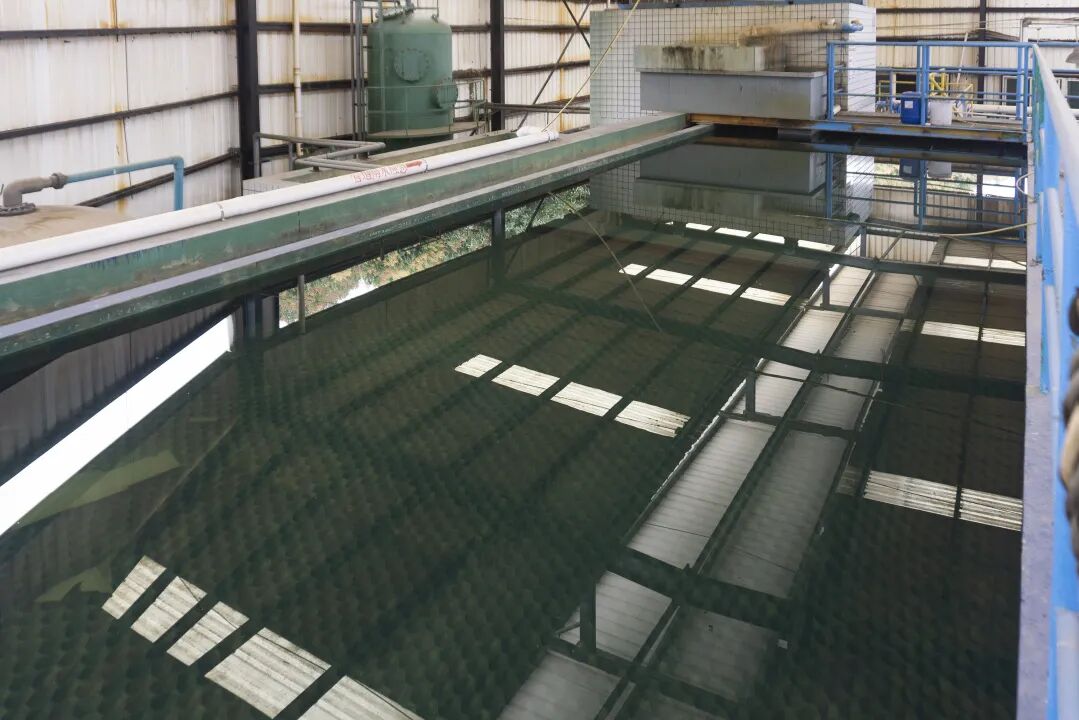
On the production front, Yiree has long implemented green purification for factory emissions. For wastewater discharge, a high-standard treatment centre has been established. Through multiple purification stages, effluent meets stricter discharge standards.
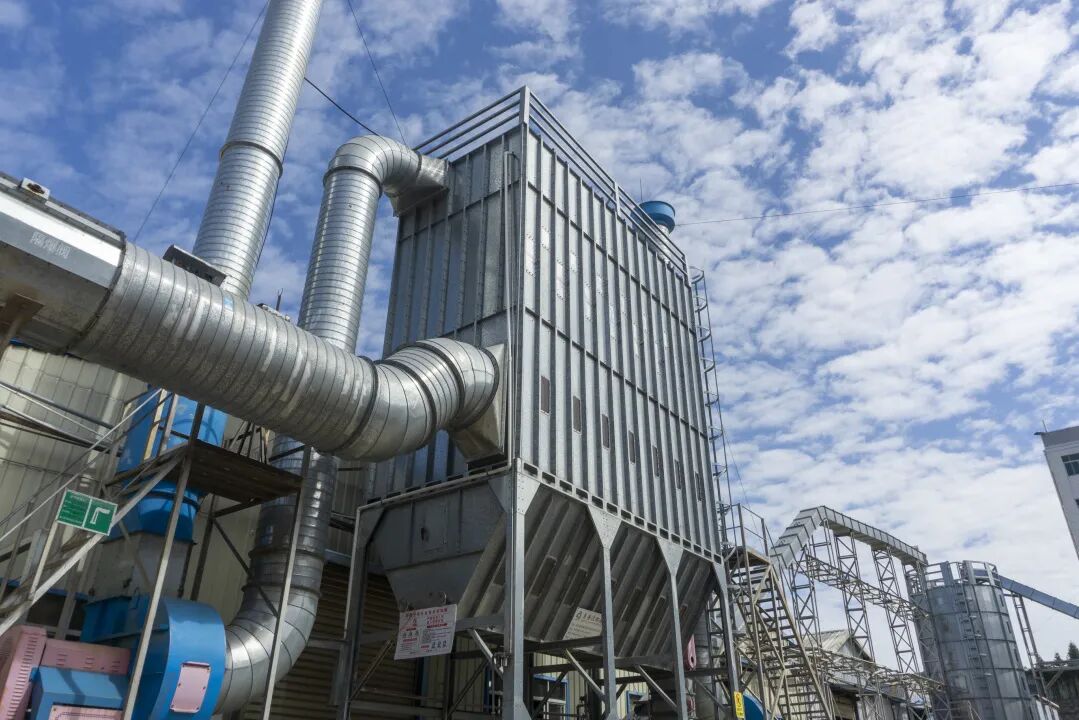
For exhaust gas emissions, Yiree employs high-efficiency VOC (volatile organic compound) gas recovery units to separate volatile organic compounds from exhaust gases, preventing adverse effects on external air quality. This is complemented by real-time monitoring systems to ensure exhaust emissions remain consistently within controlled parameters. In packaging, Yiree prioritises eco-friendly materials such as paper honeycomb boards, paper corner protectors, and biodegradable plastic bags, continuously advancing plastic reduction and recycling to minimise environmental impact.
For instance, paper corner protectors fully replace wooden counterparts and are 100% recyclable, thereby reducing consumption of forest resources.
From technology and production to product packaging, Yiree employs these systematic, end-to-end approaches to translate grand concepts like sustainability and carbon neutrality into tangible, implementable practices.
For manufacturing enterprises, advancing sustainable environmental practices constitutes a long-term, systemic adjustment and transformation. It encompasses production process redesign, technological R&D, supply chain optimisation, material research, and more – effectively amounting to an internal reform.
Yiree was established in Xiamen in 1998. Over 27 years of collaboration and communication with clients and suppliers, while responding to environmental policies, we have consistently pursued more eco-friendly raw materials. We have raised our own standards, reduced our demands on the planet, and strived to minimise waste and environmental damage – these are the small yet steadfast commitments we uphold.
To befriend the Earth, partner with nature, and use our modest corporate influence to inspire positive change for our shared home.