
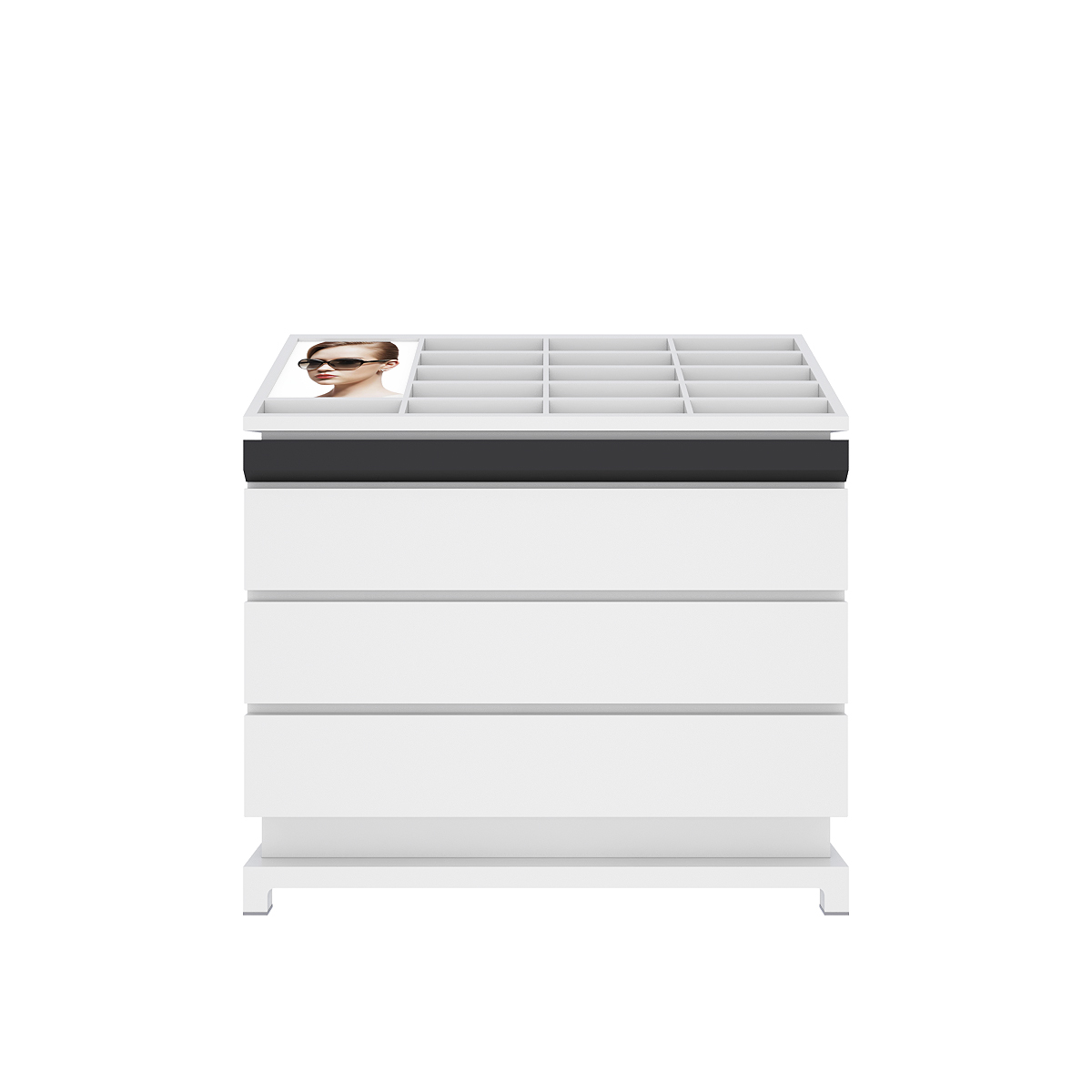
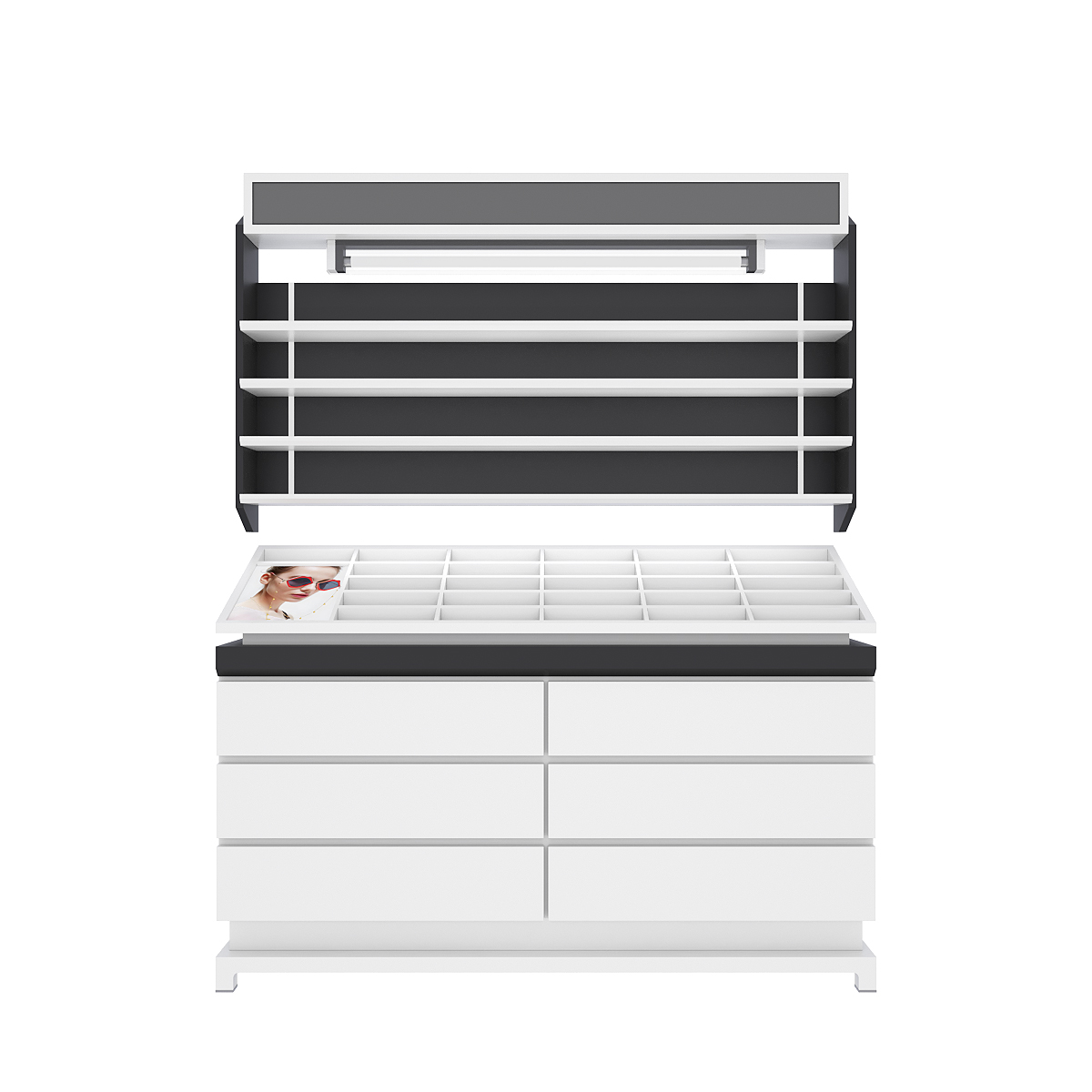
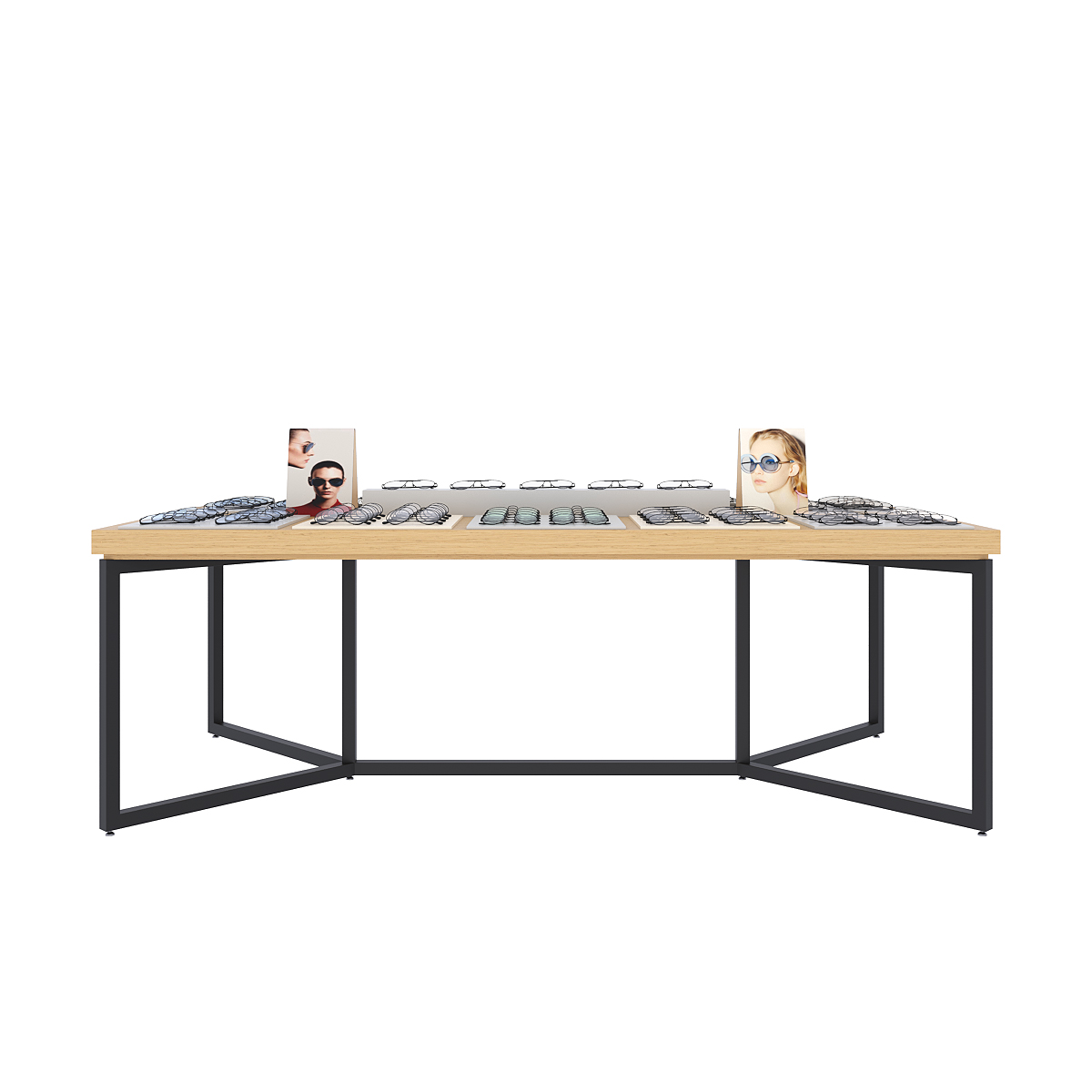
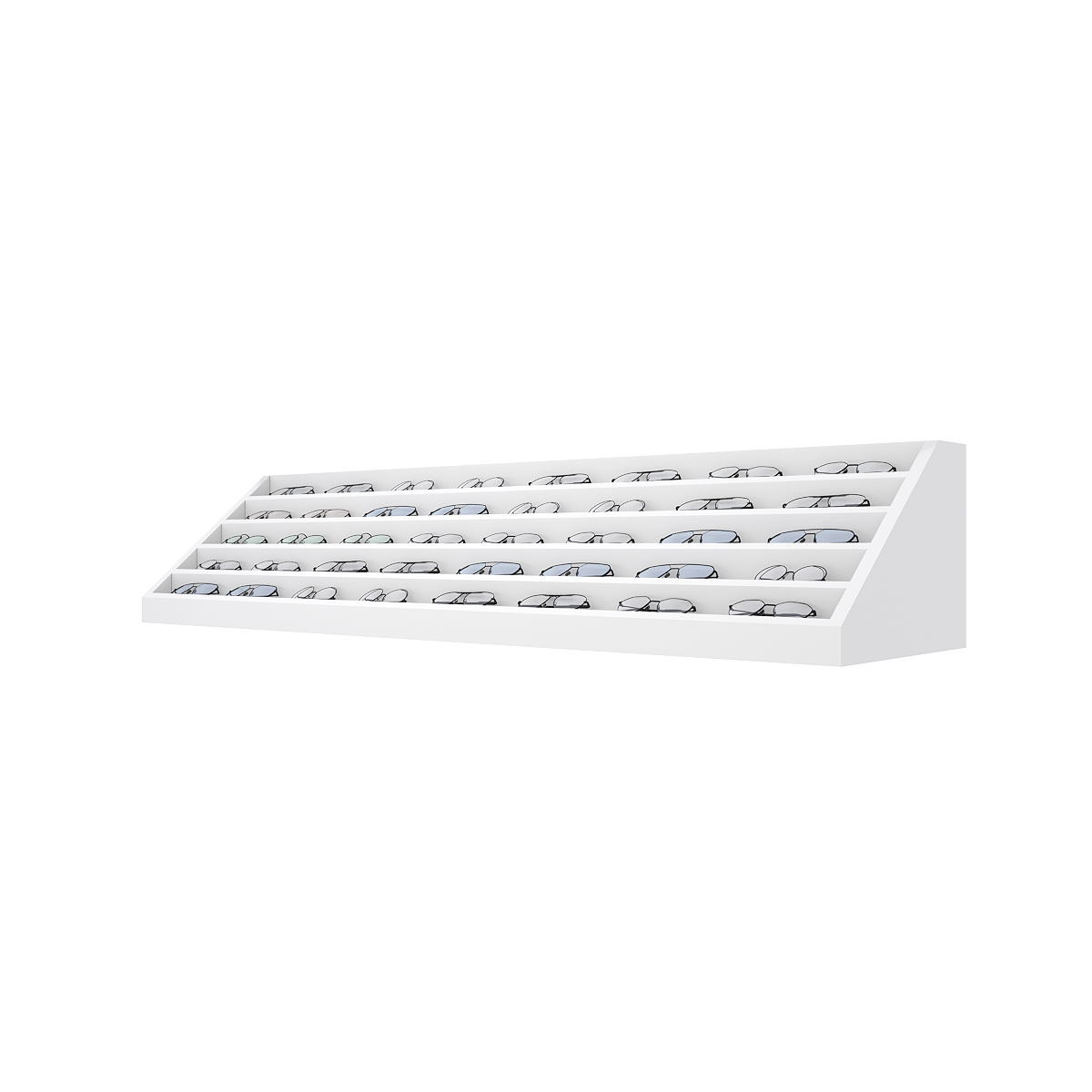
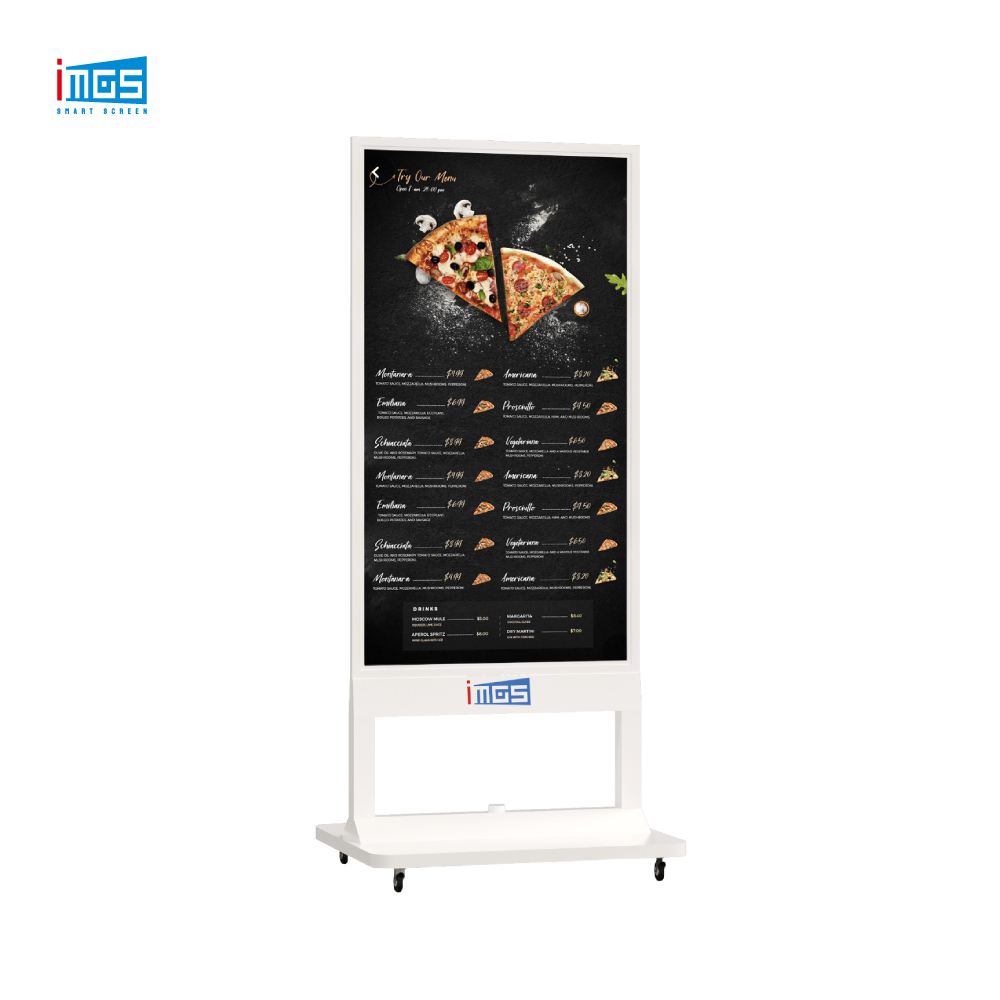
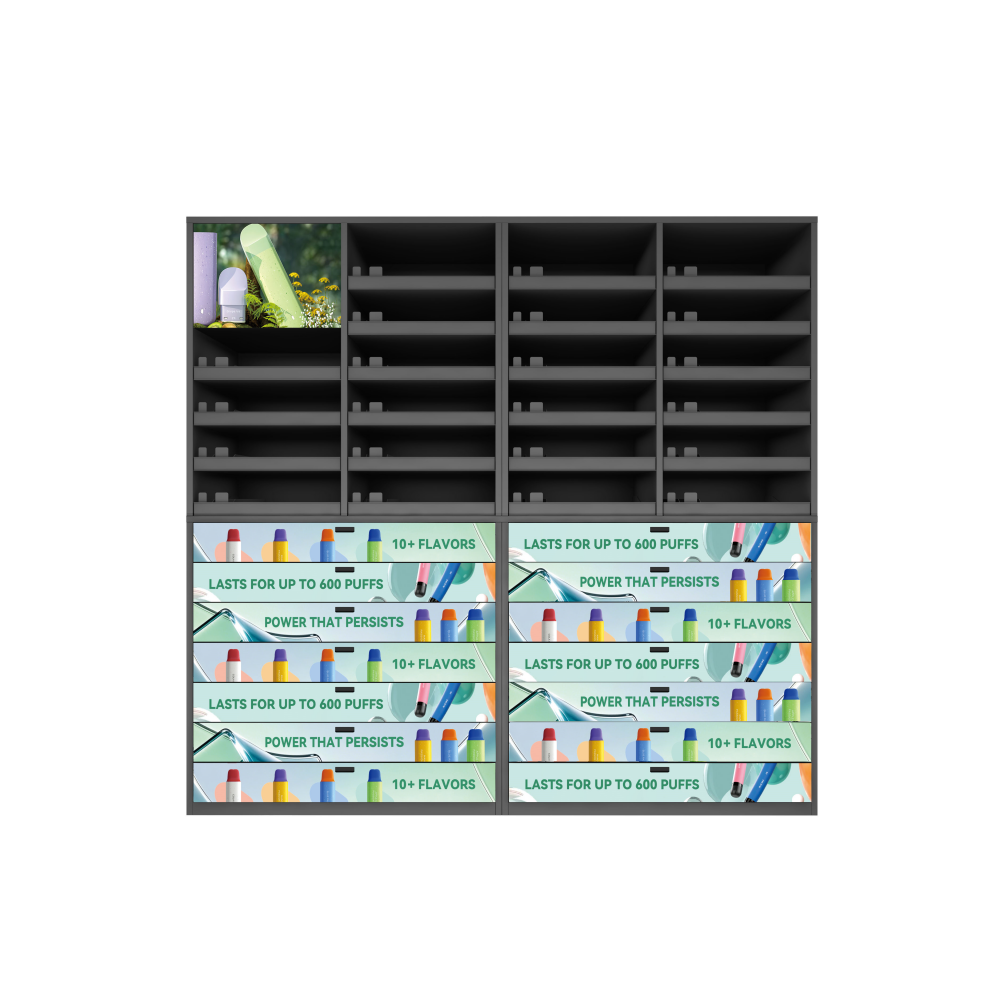
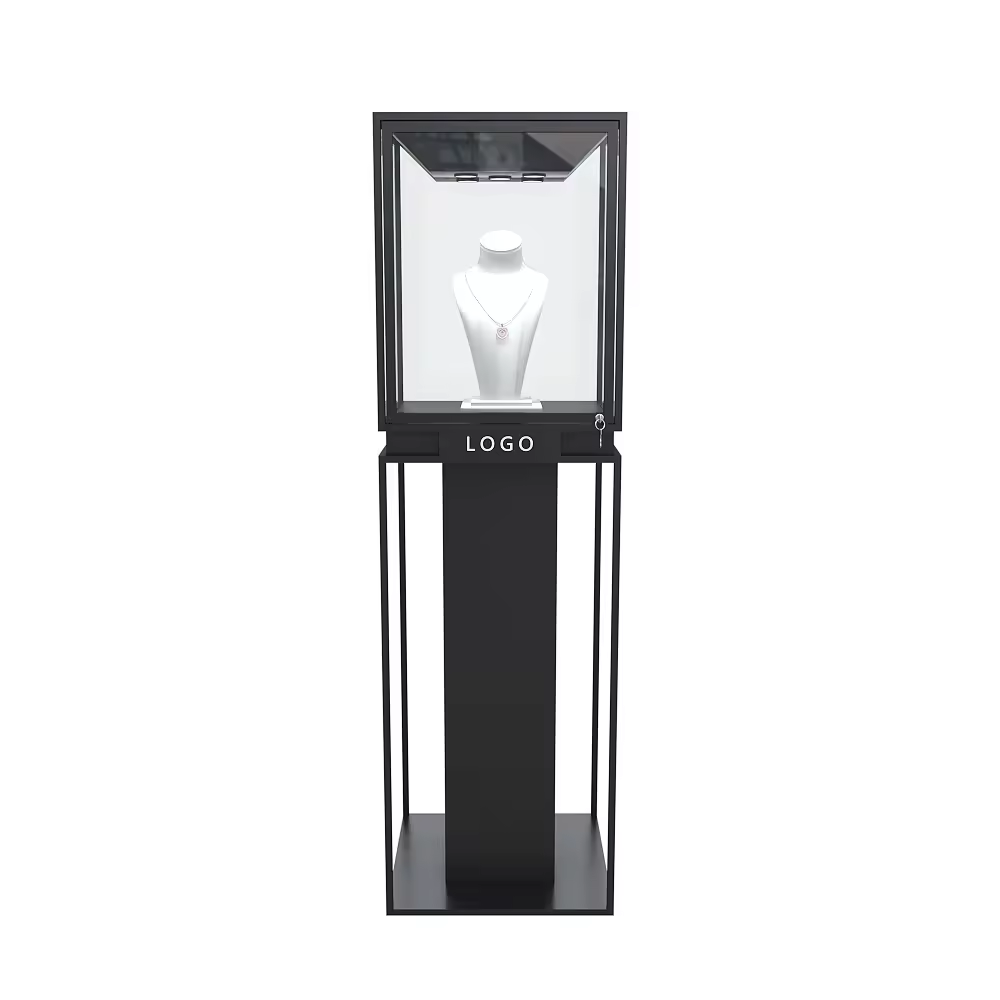
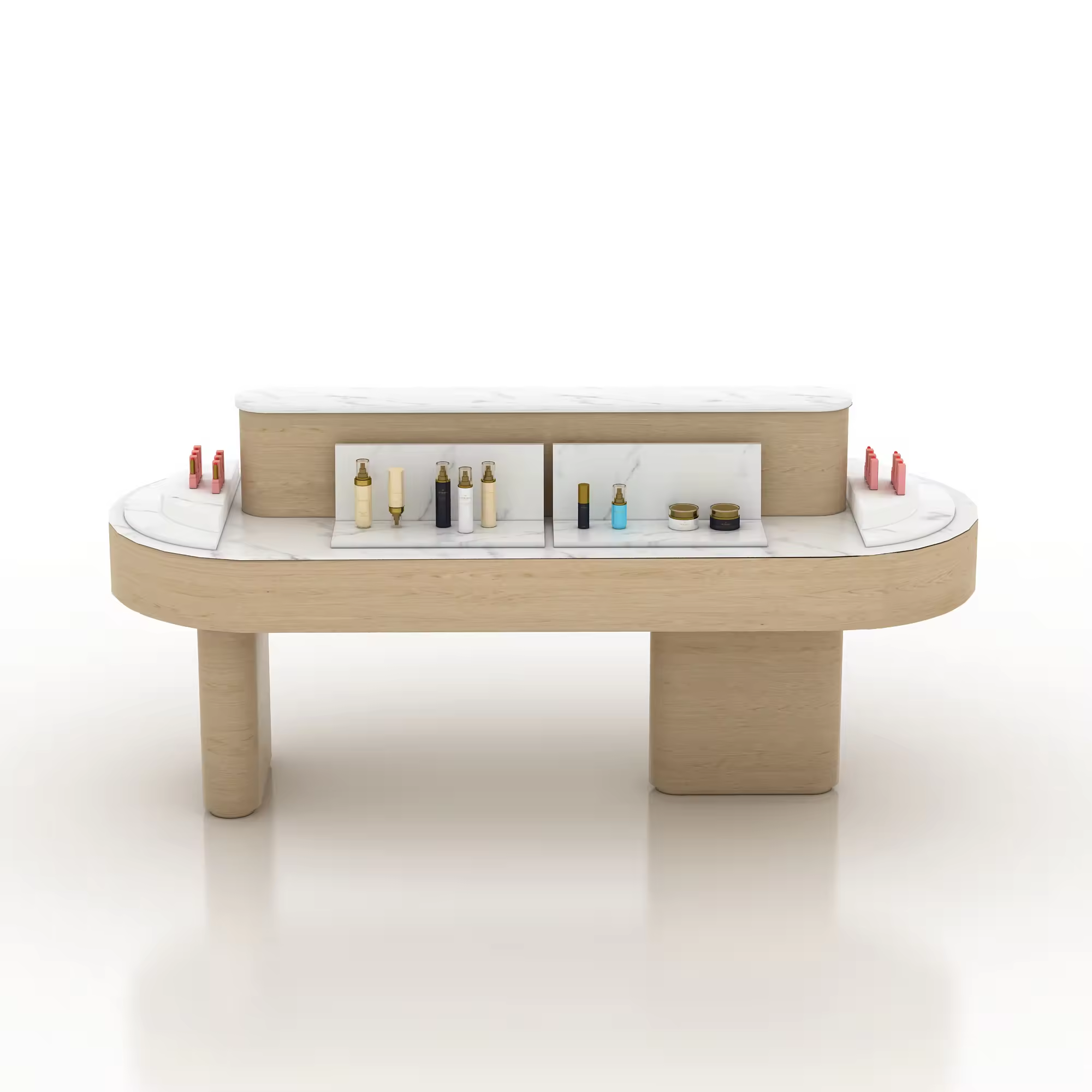
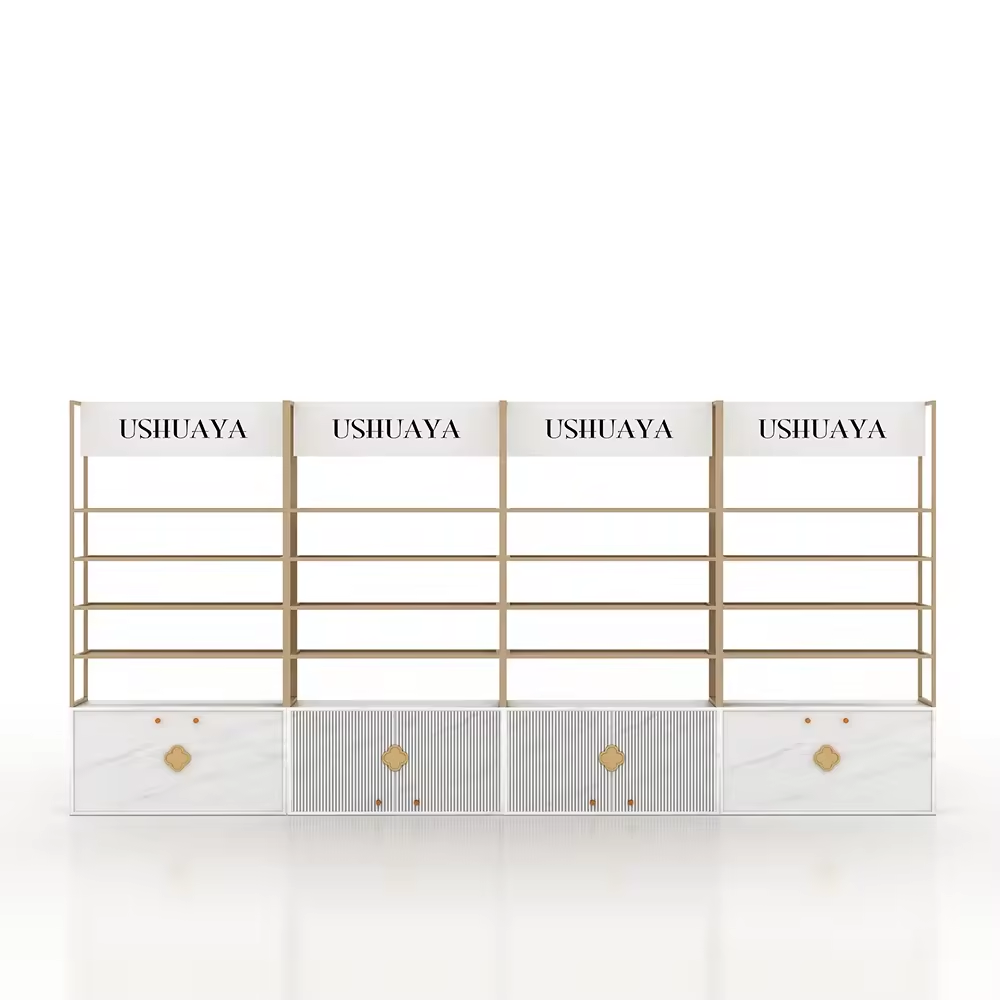
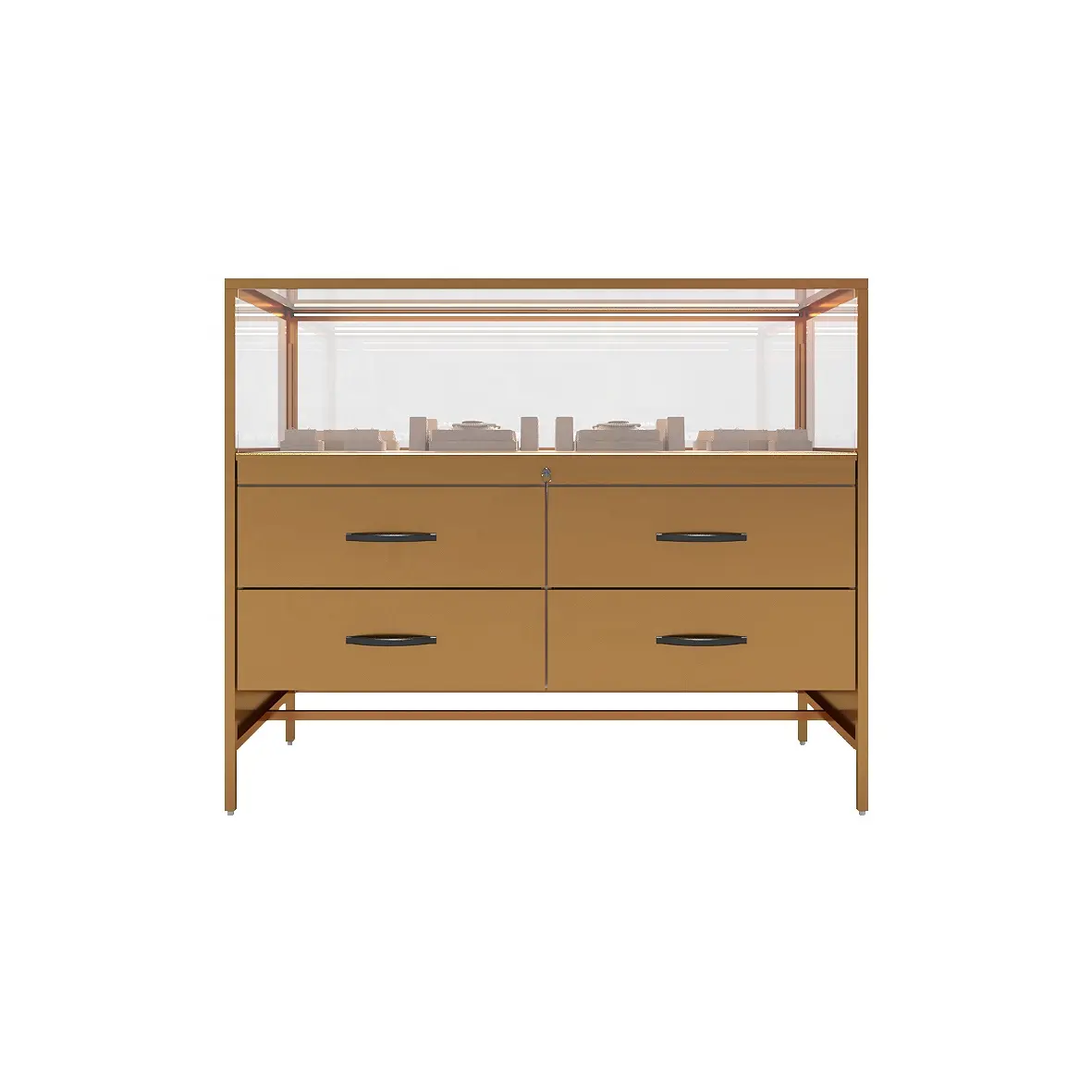
In store displays, the selection of materials directly affects the presentation effect, lifespan and audience experience of the exhibits. When faced with the three gnificantly, making it difficult for people to make a choice.This article will systematically analyze the comparison of display device materials to help you make a reasonable choice in actual projects.
You will learn:
· The key advantages and limitations of various materials
· The product categories that different display materials are suitable for
· How to choose display materials based on the store's style
· Whether to use a single material for display or to mix multiple materials
1. Comparison of Three Display Device Materials
· Metal: Durable industrial material
Metal display stands are typically made of steel, aluminum or stainless steel. They are characterized by high strength, good stability, and extremely high load-bearing capacity, capable of supporting large display stands and heavy exhibits.
The surface treatment methods of metal are diverse, including powder coating, polishing, and brushing, which can be customized according to requirements for appearance. However, the overall cost of metal is usually higher than that of wood or acrylic materials, and its weight is two to three times that of wooden bases of the same volume, requiring higher ground bearing capacity.
· Wood: Simple natural material
Wooden display stands have natural textures and colors, whether it is solid wood such as oak or walnut, or laminated boards and veneers, bringing a sense of warmth to the display space. Wood has excellent processing performance, easy to cut, carve and assemble, and can achieve highly personalized customized designs.
The main drawback of wood is its durability. It is prone to moisture deformation and warping, especially in humid environments, and requires regular maintenance and protection.
· Acrylic: Transparent and lightweight modern material
Acrylic is a thermoplastic material, with optical transparency comparable to glass, with a transmittance of over 92%, and its weight is much lighter than glass, significantly reducing transportation and handling costs.
The processing plasticity of acrylic is large, it can be made into almost any shape through hot forming, providing high design freedom for customized displays.
The surface hardness of this material, acrylic, is relatively low, and it is easily scratched by sharp objects. Its load-bearing capacity is lower than that of metal and wood, not suitable for placing heavy objects, and may turn yellow under long-term exposure to ultraviolet light.
Comparison Table of Three Materials
Material | Metal | Wood | Acrylic |
Relative Cost | High | Medium | Low |
Durability | Excellent | Medium | Low |
Weight | Heavy | Medium | Light |
Load-bearing Capacity | High | Medium | Low |
Maintenance Frequency | Low | High | Medium |
Moisture Resistance | High (with coating) | Low | High |
Recyclability | 100% Recyclable | Optional FSC Certification | Limited (with recycled material options) |
2. For different products, which display material is suitable to pair with them?
· The first step is to determine the temperament of the product: is it modern, or retro?
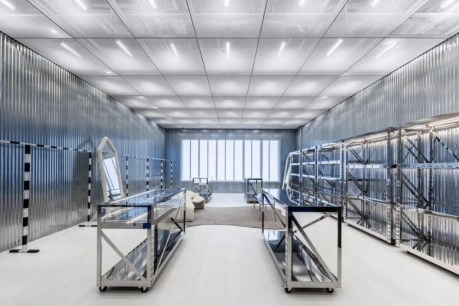
If your exhibit is modern electronic devices, precision instruments, or trendy toys, metal would be an excellent choice. Its cold and shiny surface, sharp lines, naturally align with the spirit of technological pioneers, creating a rational and avant-garde visual impact.
Acrylic, with its extreme transparency, can almost be invisible. It is the most suitable for displaying jewelry, cosmetics, or exquisite figurines. When light passes through acrylic and makes the exhibits appear light and suspended, it gives them a dreamy and pure high-end texture.
If the product is handicrafts, antiques, solid wood furniture, or high-end leather goods, they inherently carry stories and traces of time. At this time, wood is the most suitable material. The texture and warm touch of wood can enhance the accumulation of time and the temperature of craftsmanship, making the story of the exhibit more profound.
· The second step is to consider the size of the product: is it lightweight or heavy?
This is a very practical safety consideration. For heavy machinery, large quantities of books, or any items with a risk of tipping over, metal is the only safe option. Its load-bearing capacity and structural stability far exceed the other two, providing the most reliable safety guarantee.
For lightweight items such as jewelry, perfumes, or small ornaments, acrylic shines the most. You can design multi-layer, slender stepped display stands, with a very exquisite visual effect.
The load-bearing capacity of wood is between the two, suitable for most regular weight products. However, when designing, the thickness of the structure needs to be considered to avoid appearing bulky.
3. Display materials should match the store's style
The selection of shelf materials goes beyond just the load-bearing capacity; it is also a direct reflection of the brand's personality. Metal, wood, and acrylic each have their unique visual language, and the fundamental rule is: first clearly define the style of the store, and then choose materials that can enhance that style.
· Metal display stands: minimalist, industrial style, futuristic space
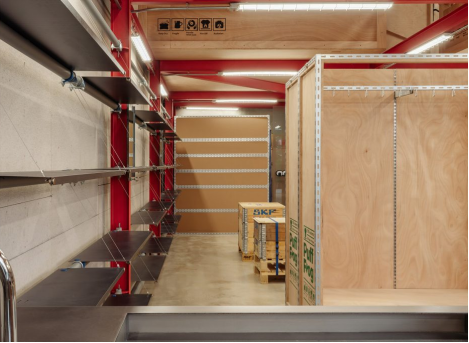
In an industrial style, deliberately retaining the welding texture or aging rust on metal display stands can create a rough yet warm dialogue with exposed concrete and vintage leather, creating a nostalgic feeling. When the space pursues futurism, polished stainless steel or brushed aluminum can present a cold and rational luster, creating an atmosphere full of technological sophistication.
· Wood display stands: Nordic, retro, new Chinese style, eco-friendly space
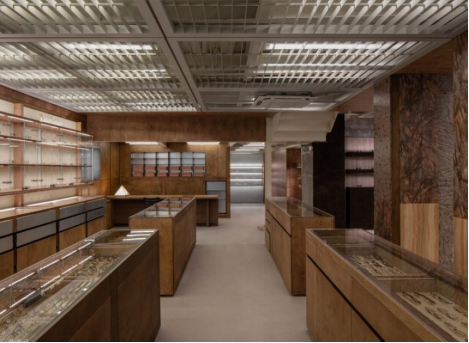
For stores with retro or new Chinese style, they prefer dark tones of walnut or cherry wood, whose thick color can capture the weight of time; while in modern Nordic style, they tend to favor polished beech or white oak, with the light wood grain blending well with large areas of blank space, creating a serene and warm sense of life. For brands that emphasize environmental protection, the application of recycled wood conveys the values of sustainable development and respect for nature.
· Acrylic display stands: modern, fashionable, trendy space
The visual language of acrylic is light and avant-garde. It can be given any color, curved shape, or gradient effect. Combined with bottom light strips or side lighting, it can produce a dreamy neon glow, perfectly aligning with the aesthetic of fashion and trend.
4. How to choose between single-material and mixed-material?
In real retail spaces, it is rare to use only one type of material and mix two or even three materials together.
Single-material shelves use the same material throughout the entire shelf system, such as all-metal, all-wood, or all-acrylic. Its core advantage lies in uniformity, allowing the brand image to be expressed most purely.
At Yiree, we also manufacture mixed-material shelves based on customer needs, combining two or more materials. For example, metal frames with wooden panels, steel frames with glass partitions, acrylic and wood combined. Each combination is an attempt at complementary advantages.
When three materials are used simultaneously in the same store, it is essential to determine "who takes precedence". Generally, it is recommended that one material account for more than 50% as the main tone, with each of the other two accounting for 20%-30% as accents. An even distribution of the three materials will instead appear messy and disorderly.
As a shelf manufacturer, Yiree's suggestion is that if your brand tone is highly unified, single-material is more suitable; if you want the space to have more layers and find the best balance between functionality and aesthetics, mixed-material can give you more room for expression.
Frequently Asked Questions
Q1: Which material is the most environmentally friendly?
A: Metal can be recycled infinitely without losing its performance, making it the most circular option. Wood, if sourced from FSC certification or recycled sources, is also very sustainable. The recycling path for acrylic is relatively limited, but acrylic containing recycled components is becoming increasingly common.
Q2: In the long run, which material offers the best value for money?
A: Metal usually has the lowest total cost of ownership - although the initial investment is higher, it is very durable and requires very few replacements and repairs over the years. Acrylic is cheaper upfront, but if it gets scratched frequently, the replacement cost will accumulate. Wood lies somewhere in between, with a moderate upfront cost, but it requires ongoing maintenance.
Q3: What materials do you usually use for manufacturing shelves?
A: Yiree has complete equipment for iron and wood production and manufacturing, as well as large-scale automated professional equipment. In the manufacturing of display shelves, we are proficient in the application of different materials such as iron, wood, stainless steel, aluminum alloy, glass, plastic, and acrylic.
Ready to Start Sourcing?
Yiree has been manufacturing custom retail display fixtures for global brands since 1998. Our80,000mi factory in Xiamen produces 280 containers per month for clients including Adidas,Gap, Puma, Macy's, and 30+ other international retail brands.
We handle OEM and ODM orders of all sizes, with in-house capabilities spanning metalworking,robotic welding, automatic chrome plating, powder coating, woodworking, and digital signage integration.
Get a free custom quote -response within 24 hours:Kevin@yiree.com +86-592-6285176
www.jrindustri.com/contact
Or verify our credentials and place orders with full Trade Assurance protection at our Alibaba
store:xmyiree.en.alibaba.com
Related articles:
How to Source Retail Display Fixtures from China Safely?
How to Evaluate a Display Fixture Supplier: 10Questions to Ask
How to Choose the Right POP Display for YourRetail Store