
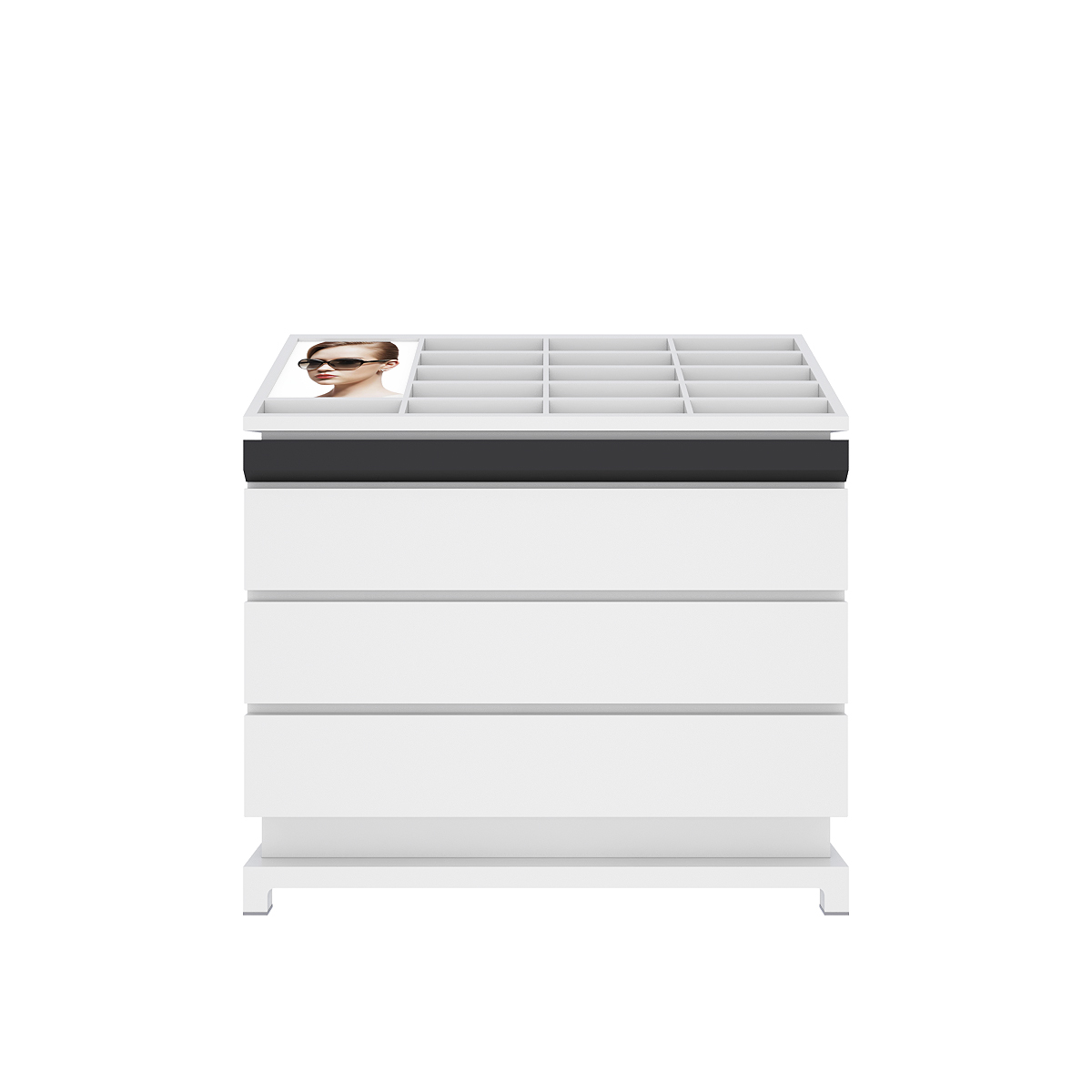
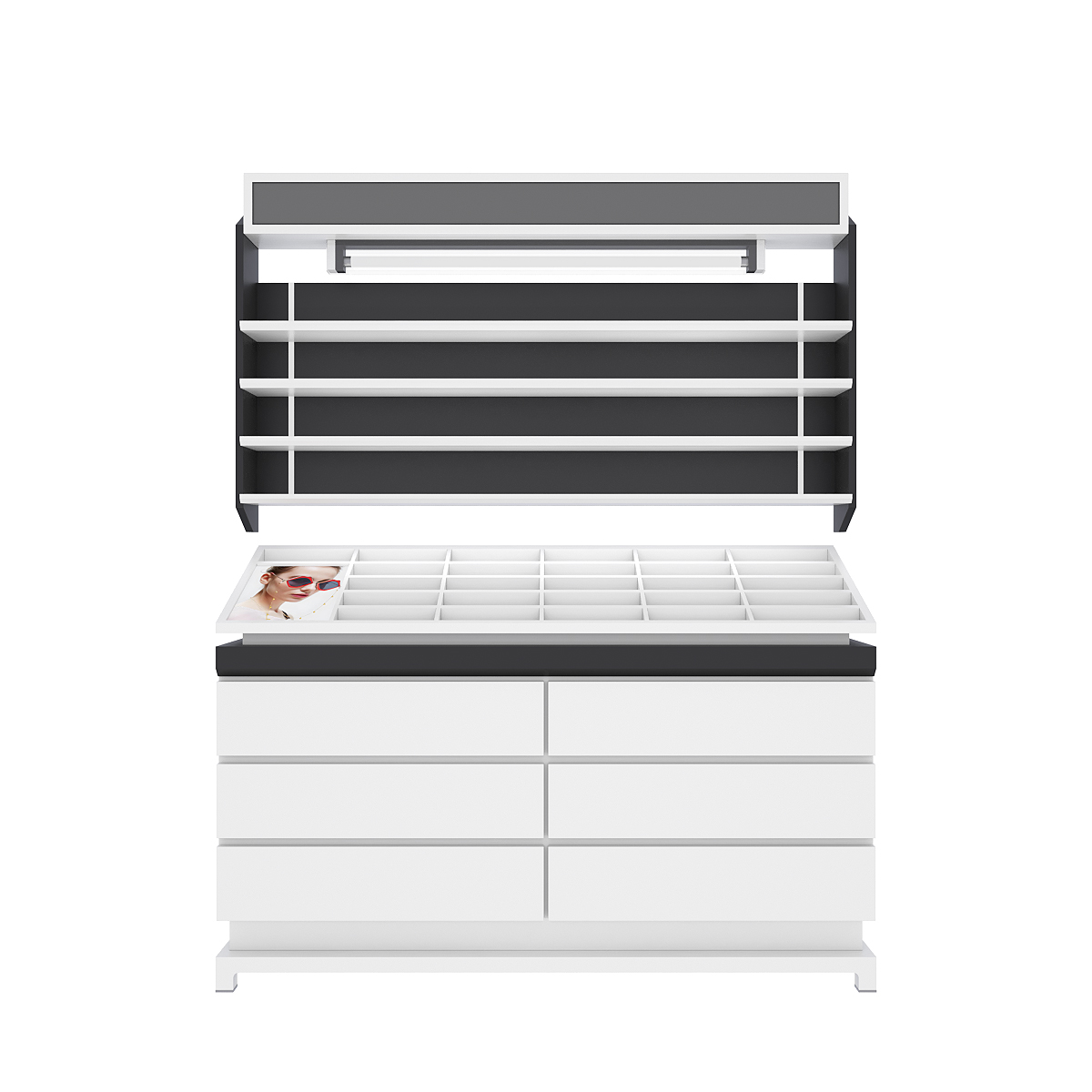
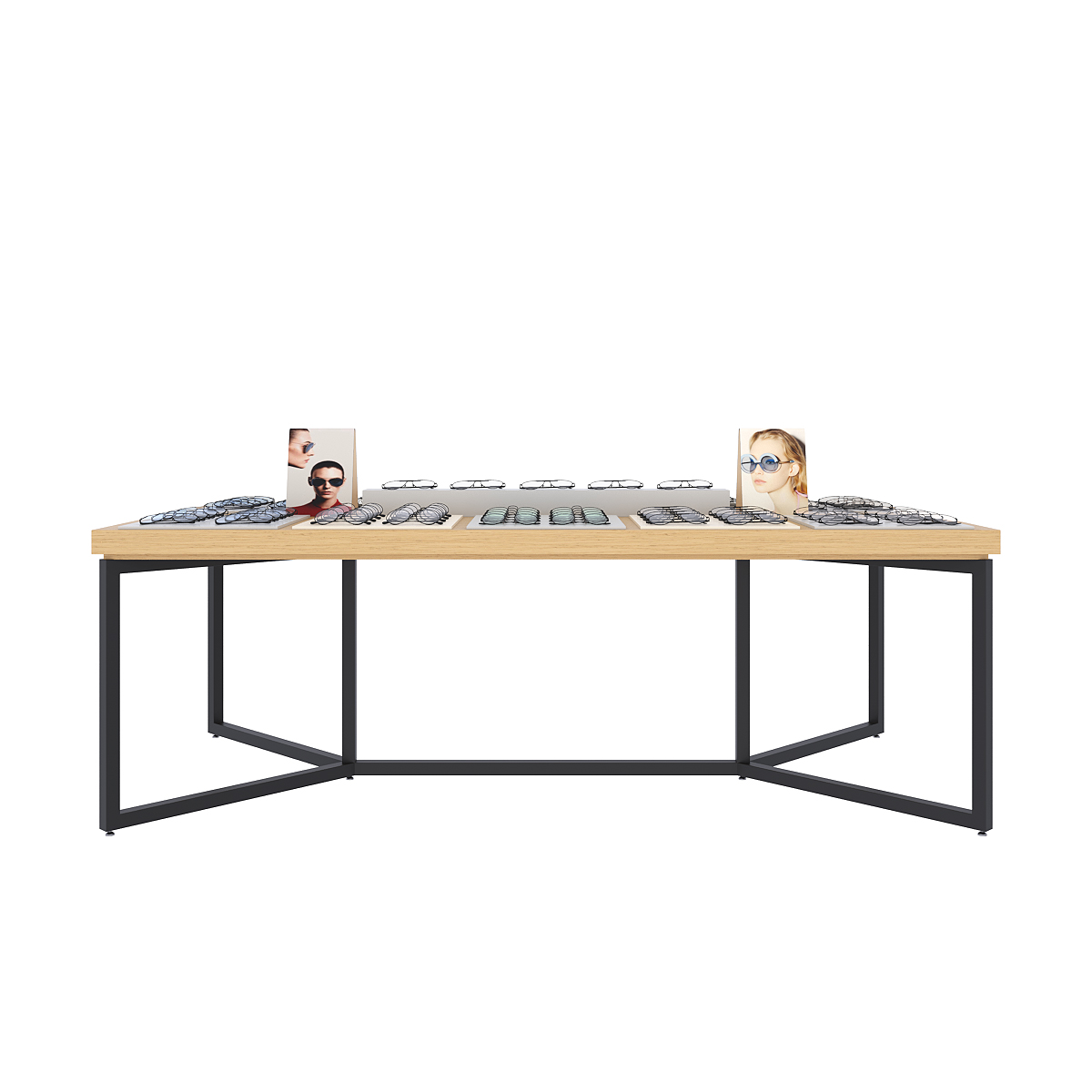
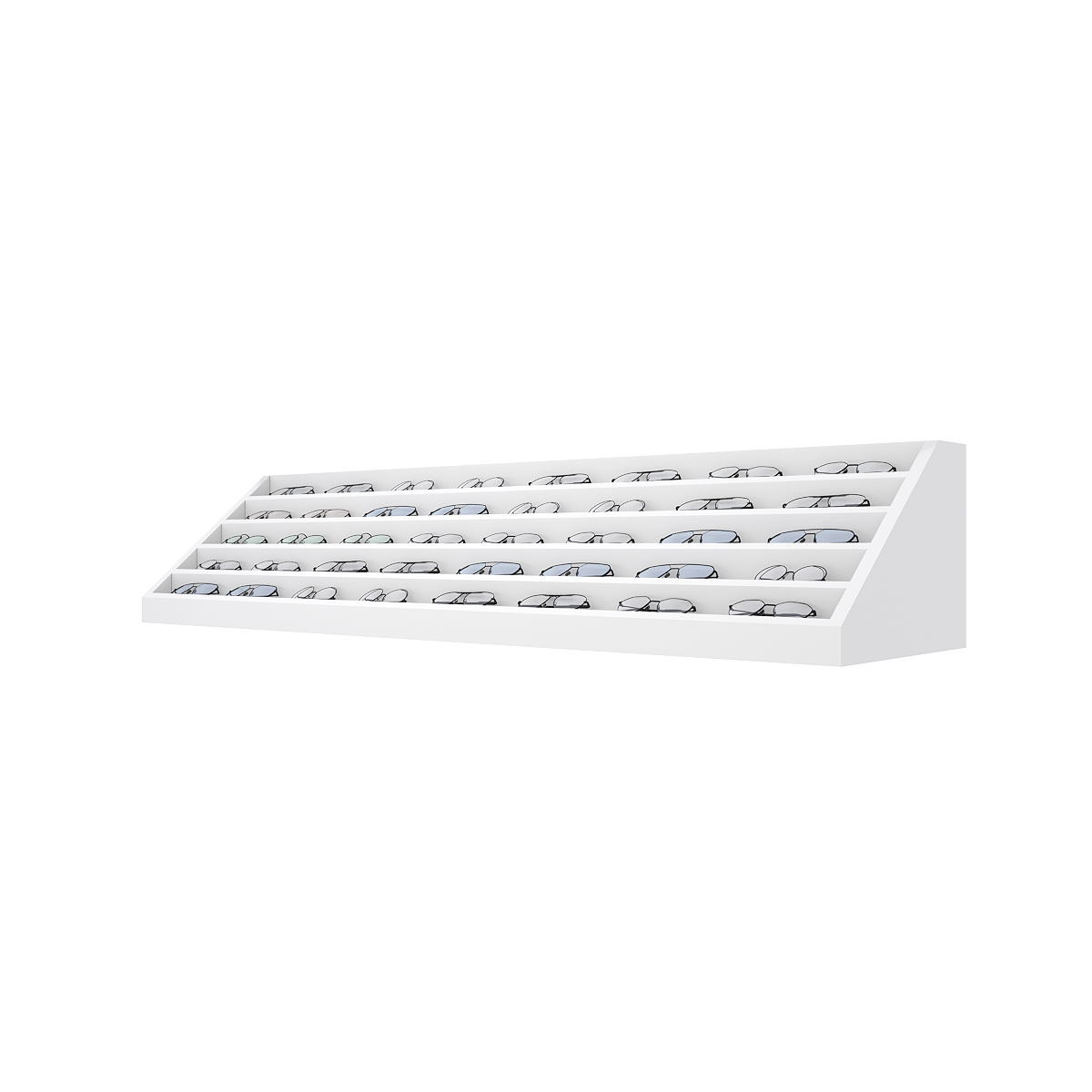
With e-commerce offering convenience at the click of a button, brick-and-mortar establishments must offer something the digital world cannot: tangible atmosphere, sensory engagement, and authentic connection. One of the most powerful tools in achieving this is the humble yet sophisticated wooden display.
The Shift Toward Natural Aesthetics
For the past decade, retail interiors were dominated by sleek metallics, polished concrete, and high-gloss acrylics. While these materials conveyed modernity, they often resulted in spaces that felt cold and impersonal.
Unlike synthetic materials, wood introduces a sense of history, warmth, and texture that invites touch. Whether it is a rustic oak table holding folded cashmere sweaters or a sleek walnut shelving unit showcasing minimalist ceramics, A well-crafted wooden display immediately signals quality and a connection to nature.
Enhancing Product Display Through Texture
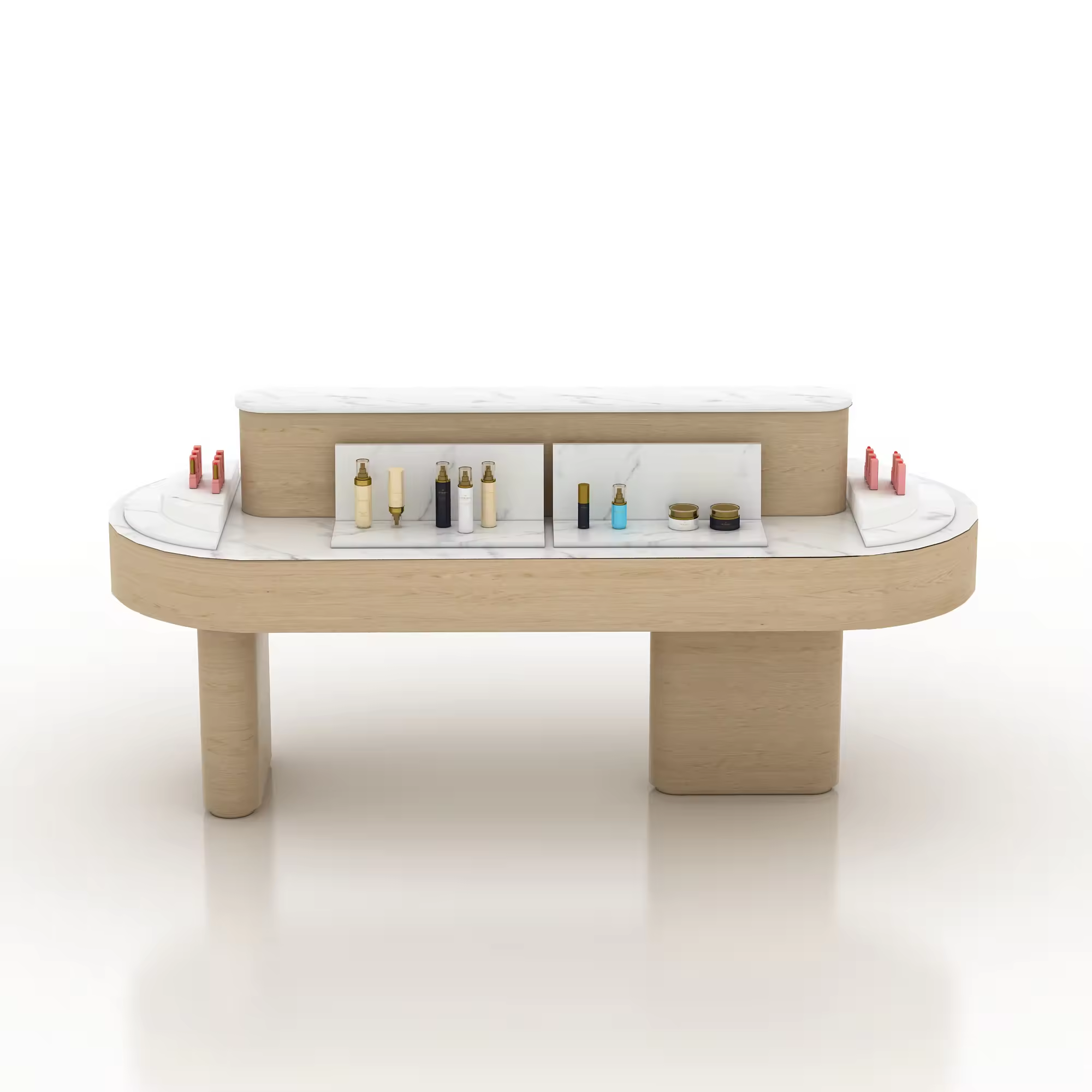
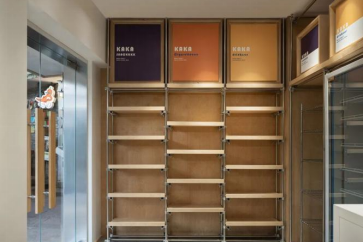
The primary function of any retail store is to showcase merchandise in a way that maximizes appeal. The texture of wood offers a unique advantage in product display because it provides a neutral yet rich backdrop that makes colors pop and textures stand out.
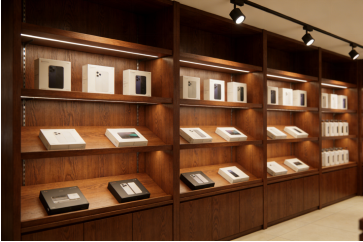
Consider a high-end skincare brand,Placing those same jars on a light ash wooden display creates a visual contrast that emphasizes the “natural” ingredients in the product.Similarly, in electronics retail, wood is being used to soften the hard lines of gadgets, making them feel more accessible and lifestyle-oriented rather than purely technical.
Retail designers are increasingly using mixed materials, but wood remains the anchor. It has the chameleon-like ability to adapt to different aesthetics—Scandinavian minimalism, industrial chic, or rustic farmhouse. By utilizing modular wooden display systems, retailers can reconfigure their layouts seasonally without losing the cohesive brand identity. This flexibility ensures that the product display remains dynamic, encouraging repeat visits from customers who know the layout will feel fresh.
Sustainability: A Commercial Imperative
The conversation around retail fixtures is no longer just about aesthetics; it is about ethics. The materials used inside a retail store contribute significantly to the brand’s carbon footprint. As consumers become more educated about environmental impact, they are scrutinizing not just what they buy, but where they buy it.
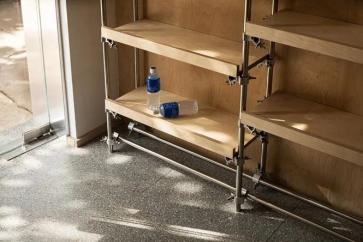
Moreover, the trend of "biophilic design"—incorporating natural elements into built environments—has been scientifically proven to reduce stress and increase spending. When a retail store integrates natural wood into its product display strategy, it creates a physiological sense of calm. Shoppers linger longer in environments where they feel relaxed, and longer dwell times directly correlate to higher average order values.
